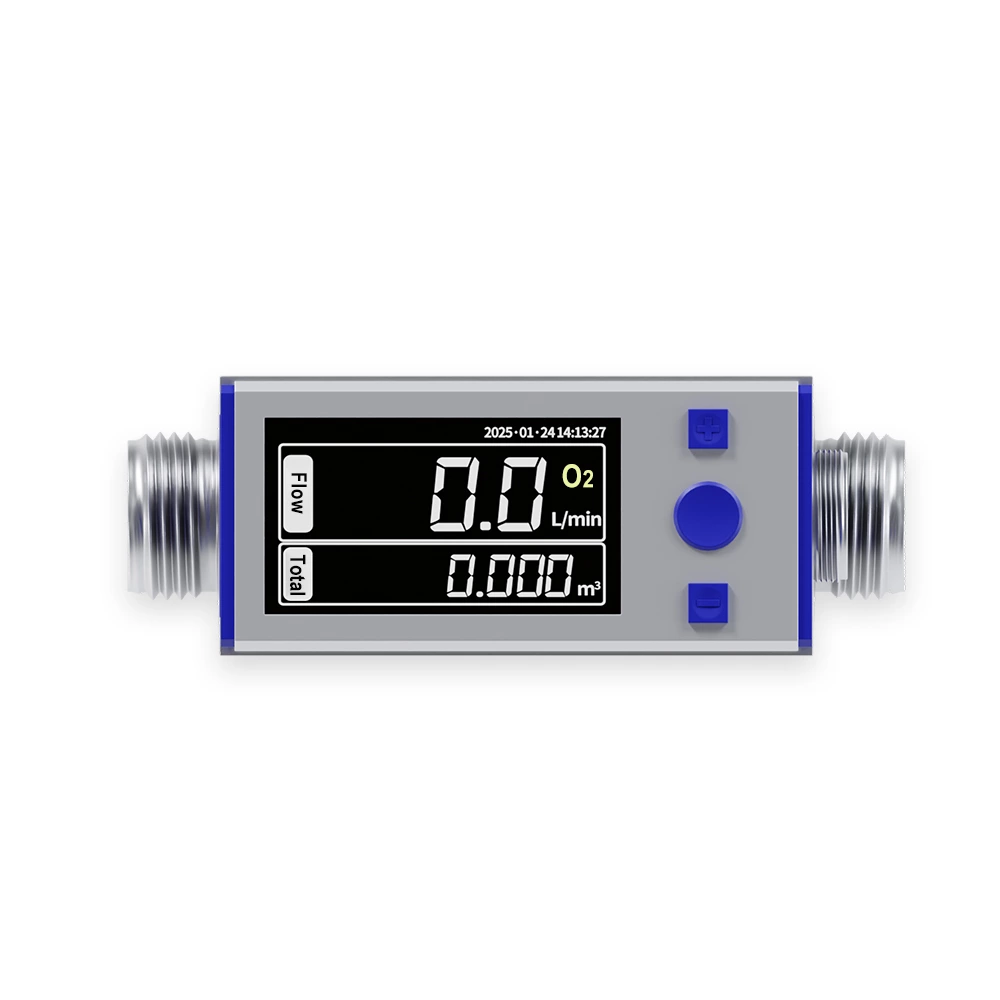
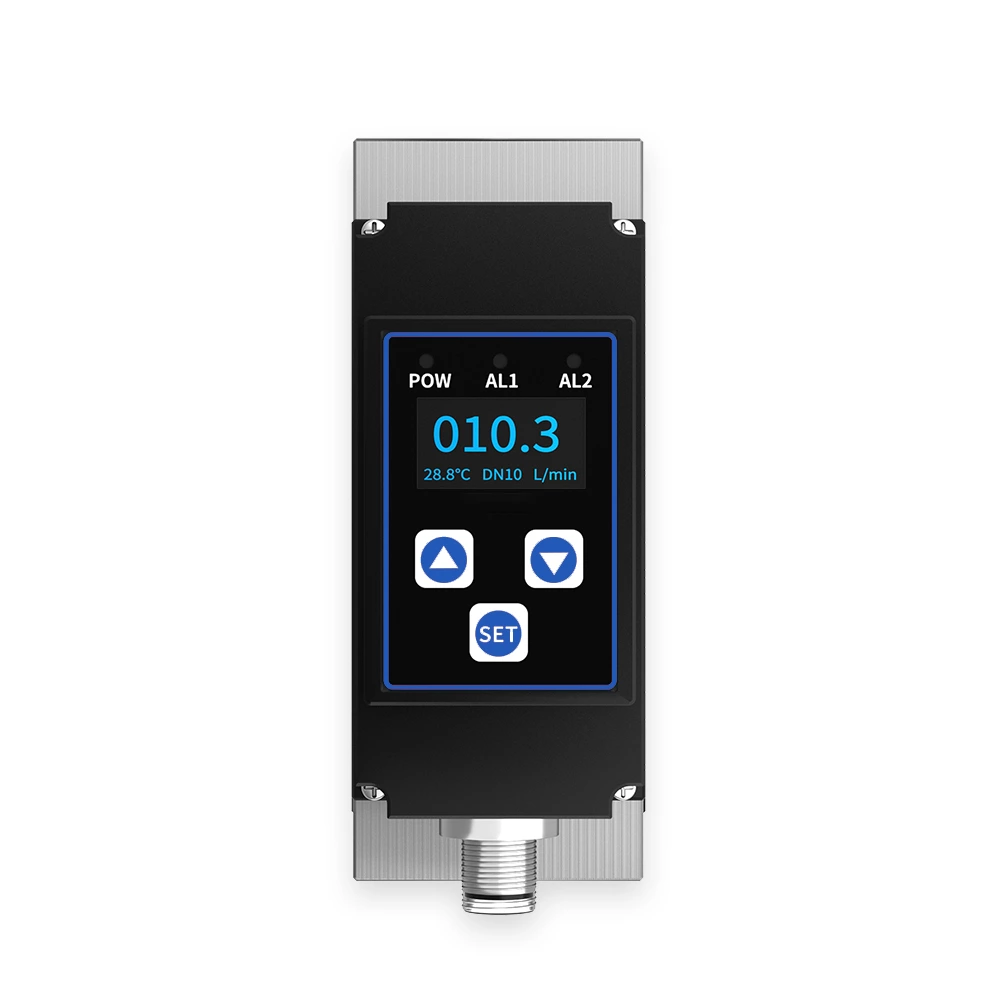
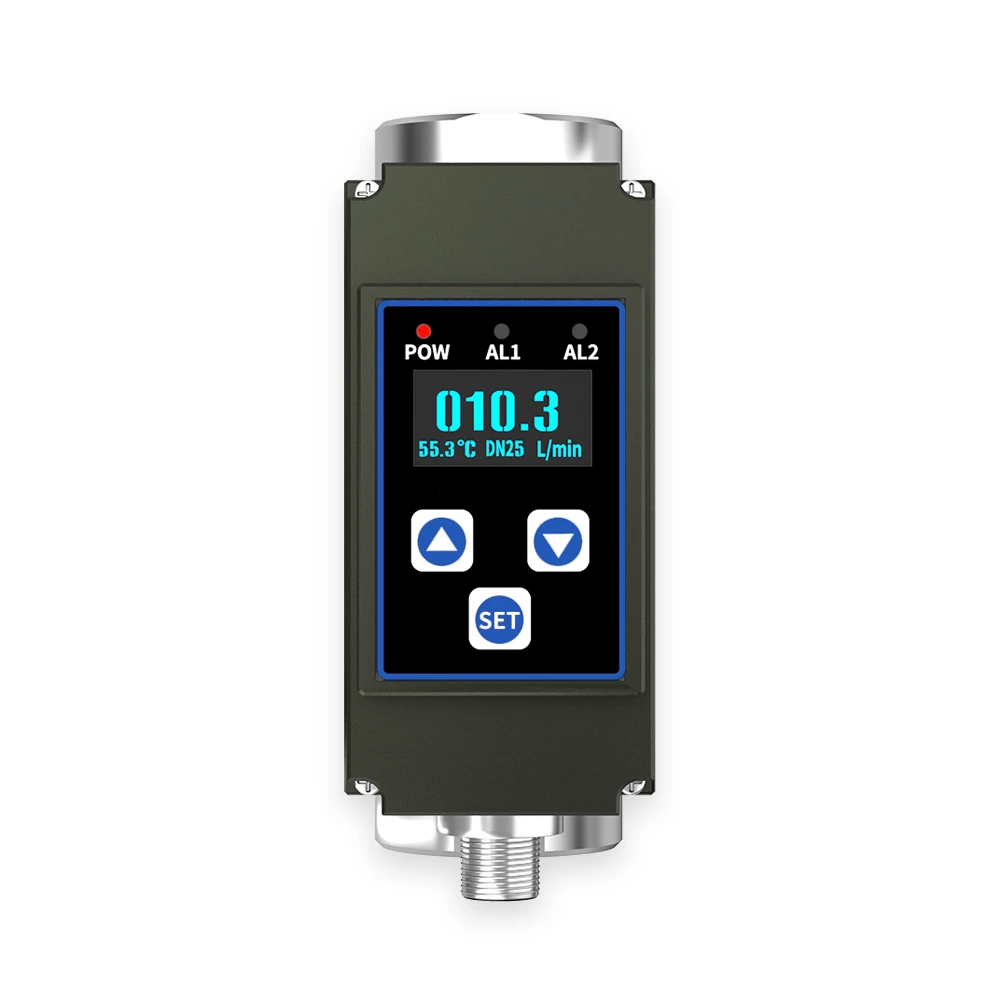
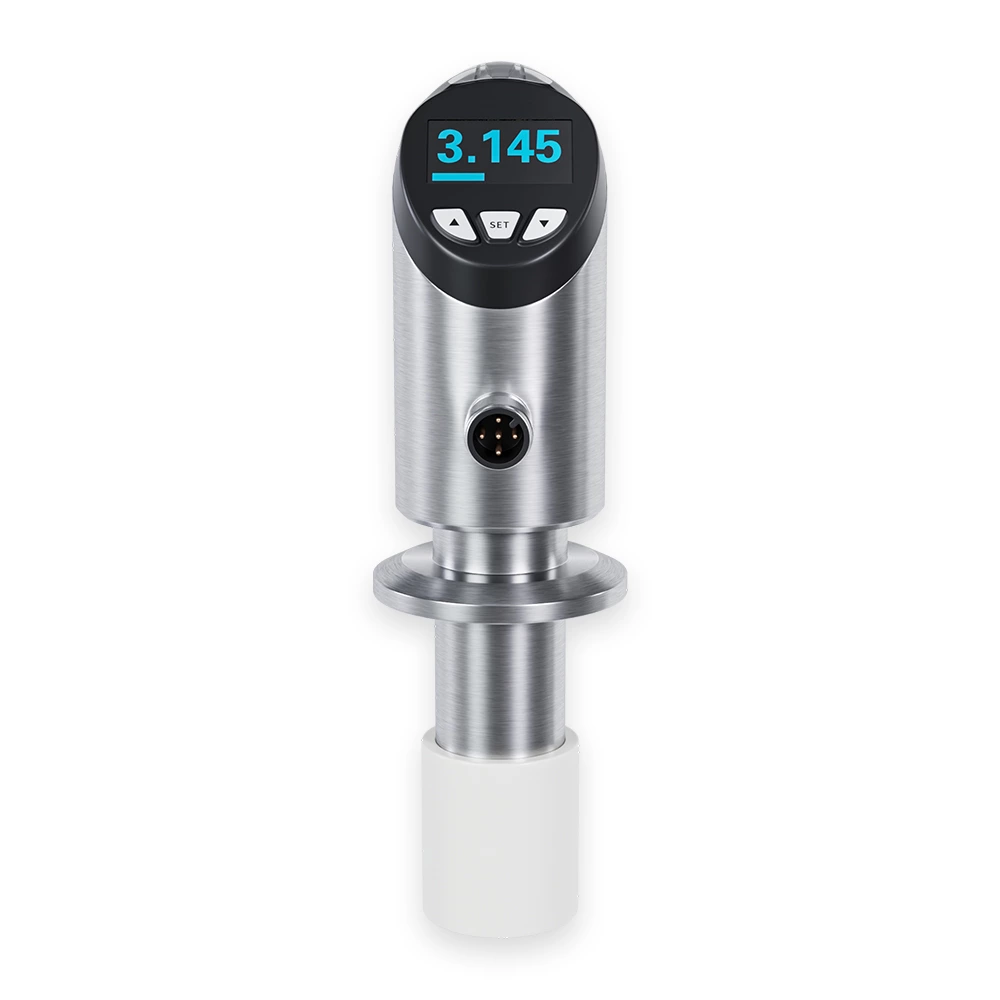
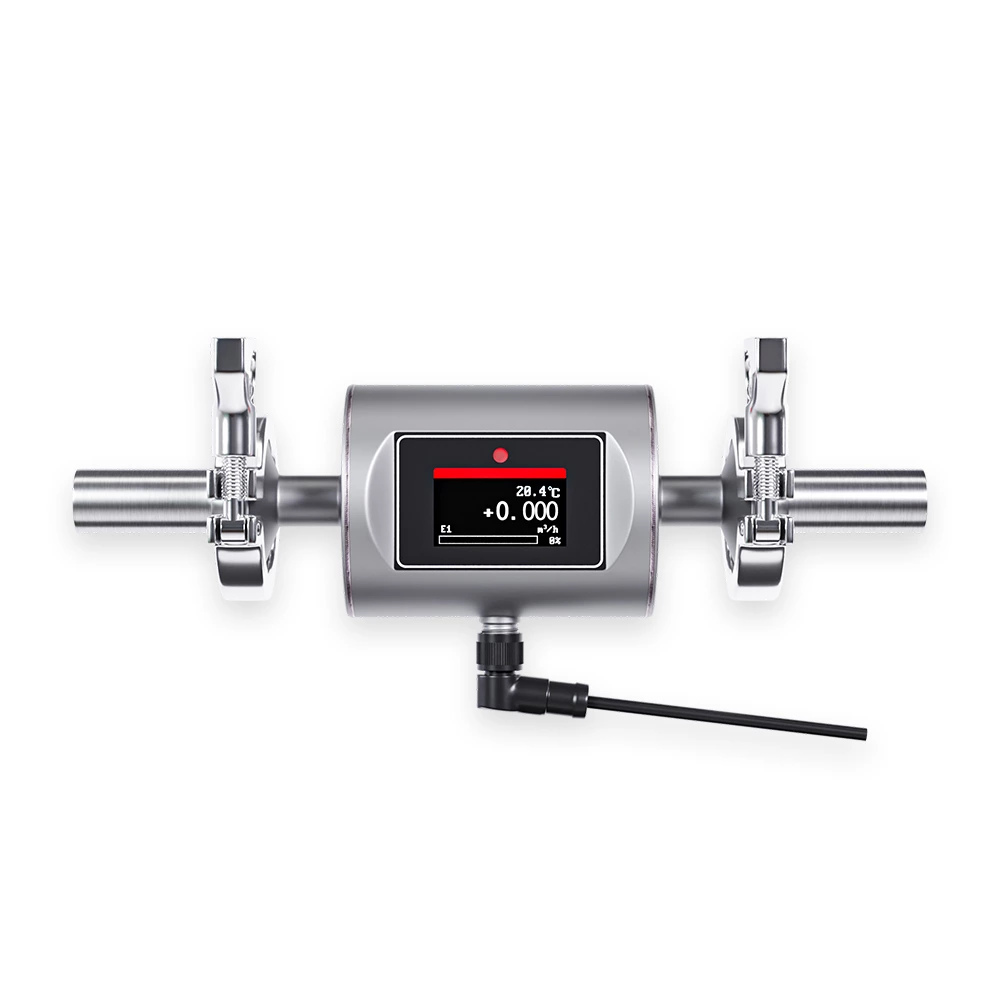
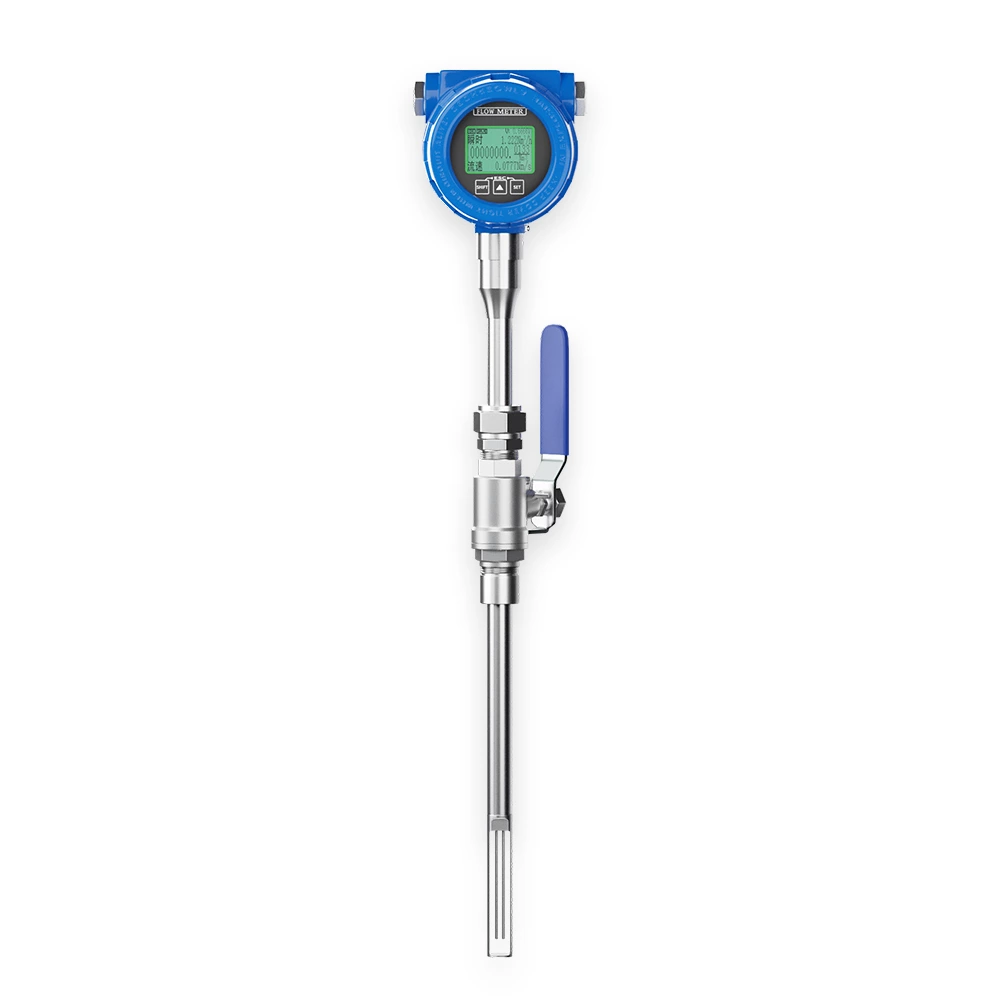
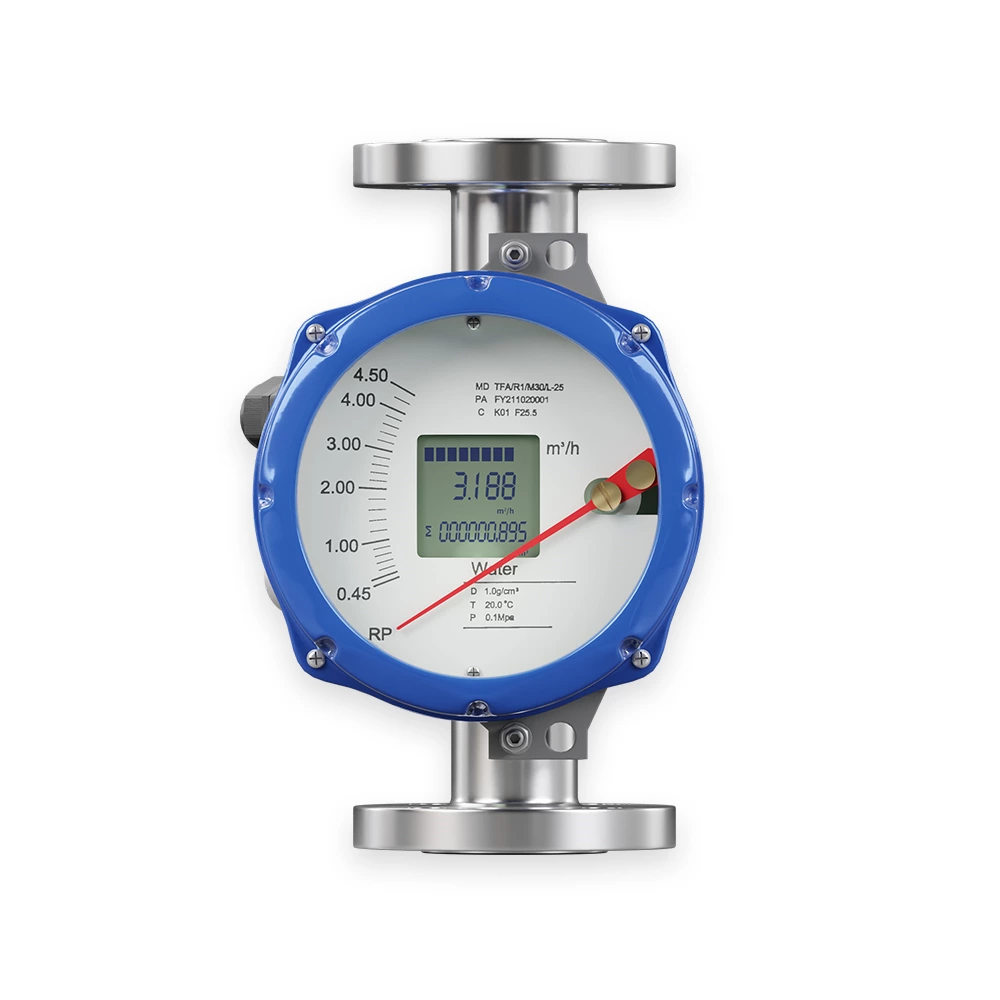
The Micro Thermal Mass Gas Flow Meter is an electronic gas mass flow measuring instrument designed for accurate monitoring of gas flow velocity and cumulative flow in various operating environments. Developed specifically for industrial applications, the product integrates multiple anti-interference technologies and supports a variety of signal outputs.
With its communication interface, the flow meter can be connected to networks for remote monitoring and management. Featuring a compact structure, light weight, and high measurement precision, it offers significant advantages in performance, installation, and maintenance. The instrument is widely used in gas measurement and detection across industries such as medical equipment, oil and gas, chemical processing, and energy systems.
Compact Structure: Small size and lightweight design for easy installation.
High Measurement Accuracy: Microelectronic system chip technology combined with large-scale integrated circuits significantly improves measurement precision.
Wide Turndown Ratio: Multi-sensor integration on a single chip greatly expands the measurable flow range.
Zero-Point Monitoring: Continuous zero drift monitoring with real-time adjustment provides enhanced stability compared to traditional systems.
Clear LCD Display: Intuitive LCD screen with 180° rotatable display for flexible viewing.
Multiple Output Options: Supports various output signals to meet different application requirements.
The flow meter operates based on the thermal mass flow measurement principle. Two temperature sensors are integrated into the measuring section of the meter. One sensor measures the actual process gas temperature, while a heated Pt100 thermal resistor is maintained at a constant temperature difference relative to the process temperature.
As the mass flow rate of the gas increases, the cooling effect on the heated sensor becomes stronger, requiring a higher electrical current to maintain the constant temperature difference. By monitoring the current supplied to the heating element, the instrument accurately calculates the gas mass flow rate.
This method enables direct mass flow measurement independent of pressure and temperature variations, ensuring stable and reliable performance.
The Micro Thermal Mass Gas Flow Meter is suitable for gas flow measurement and monitoring in the following fields:
Medical equipment and devices
Oil and gas industry
Chemical processing plants
Energy and power systems
Industrial gas monitoring and control