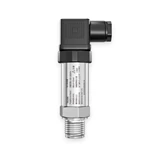
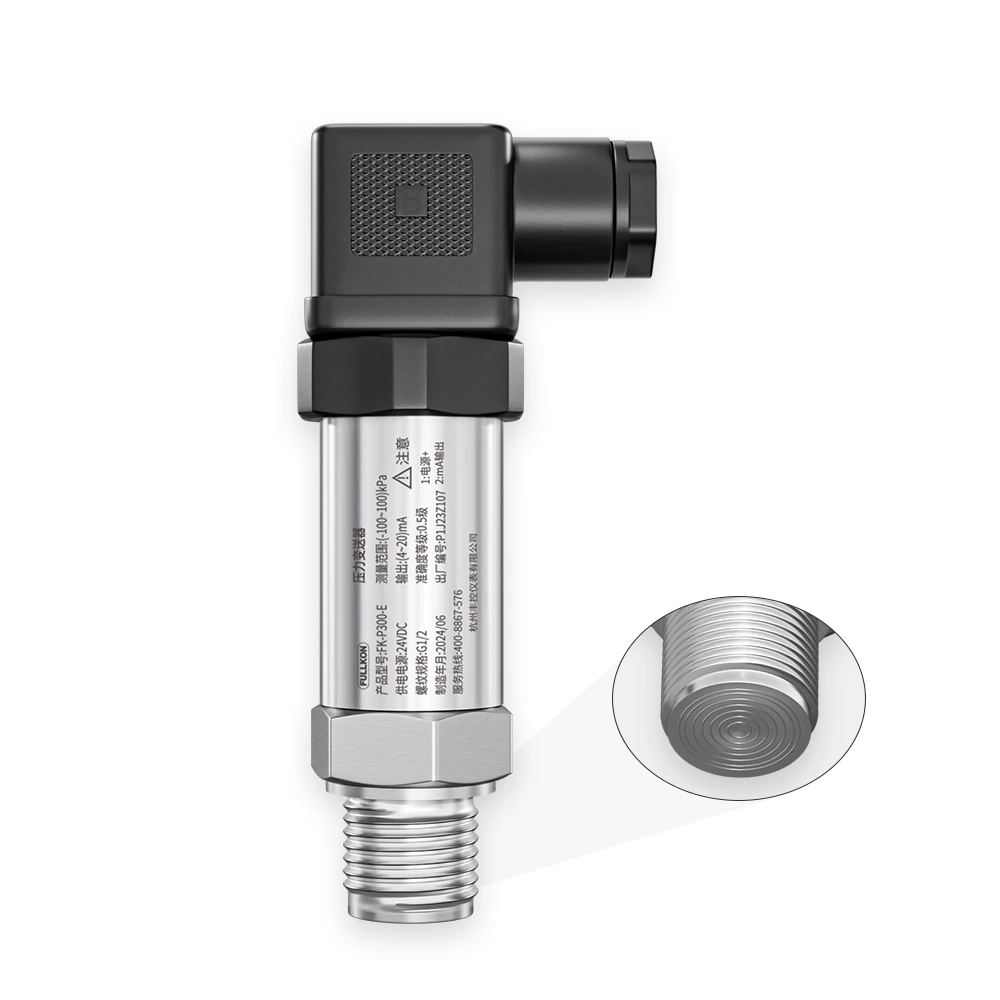
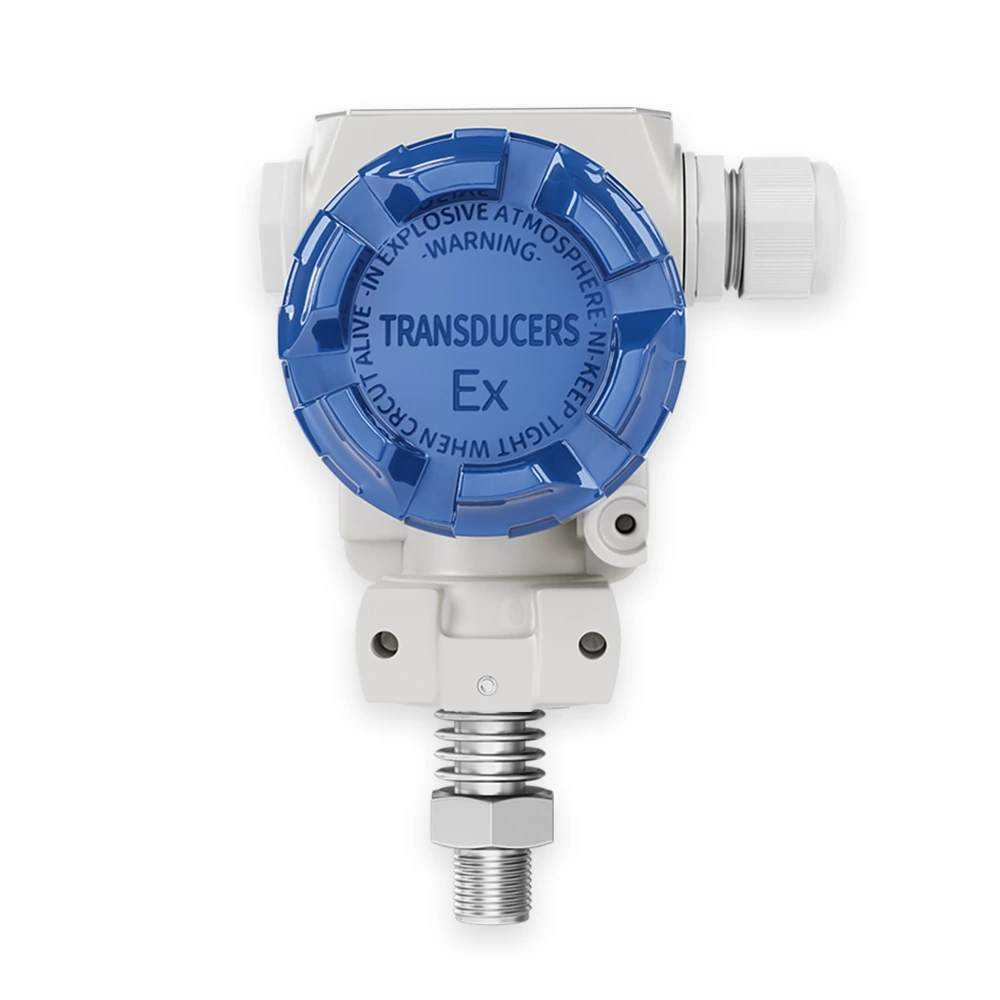
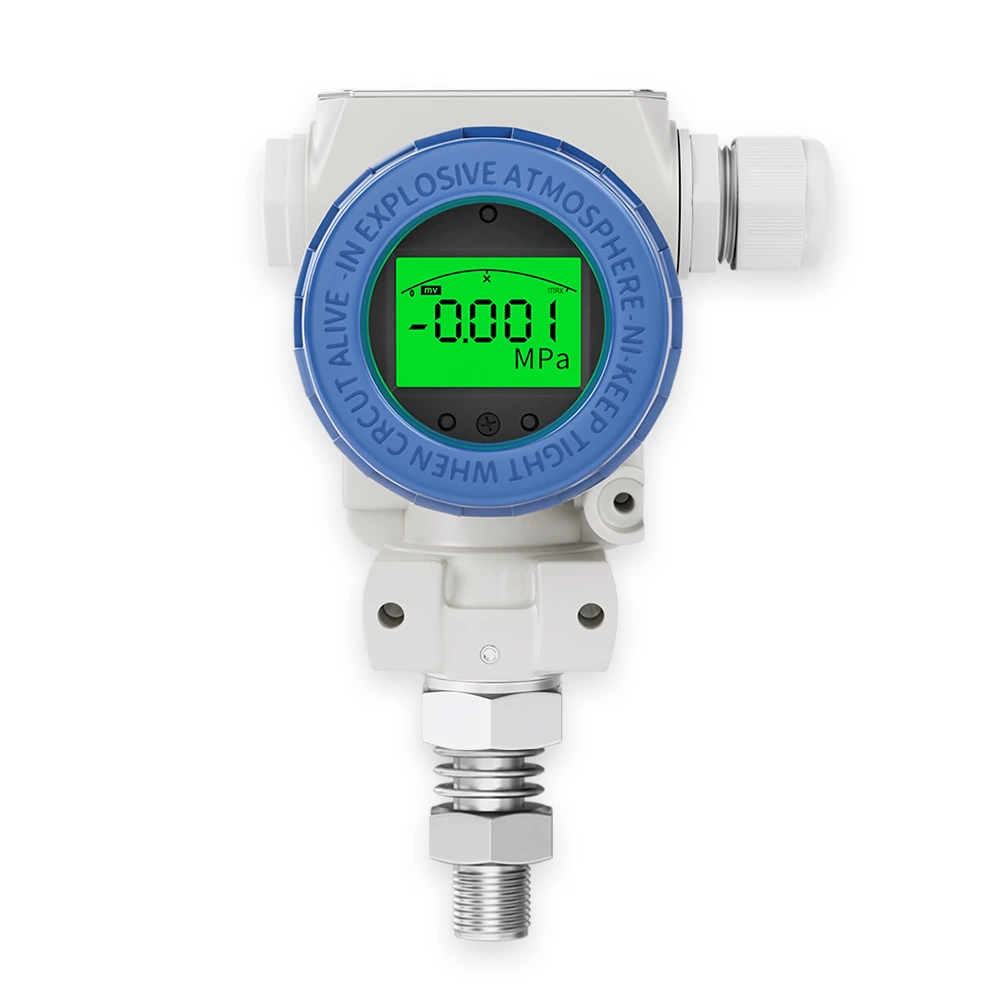
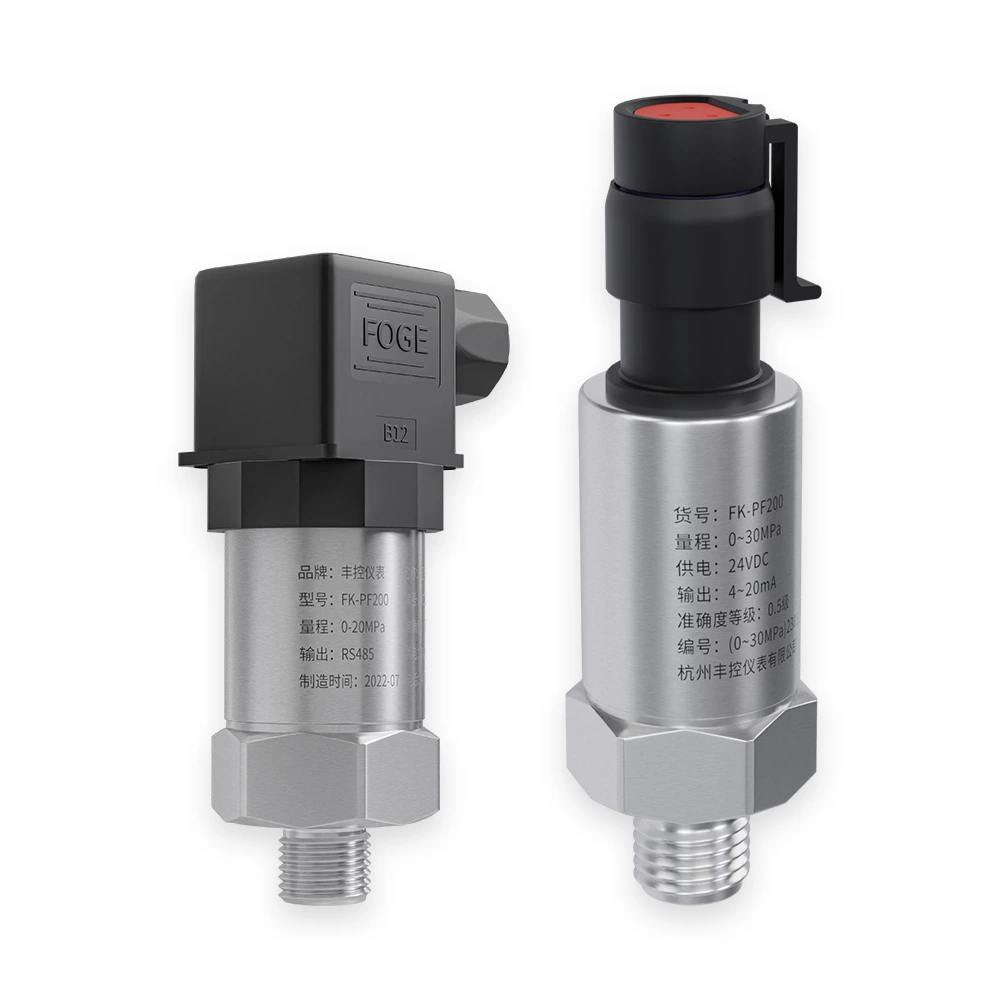
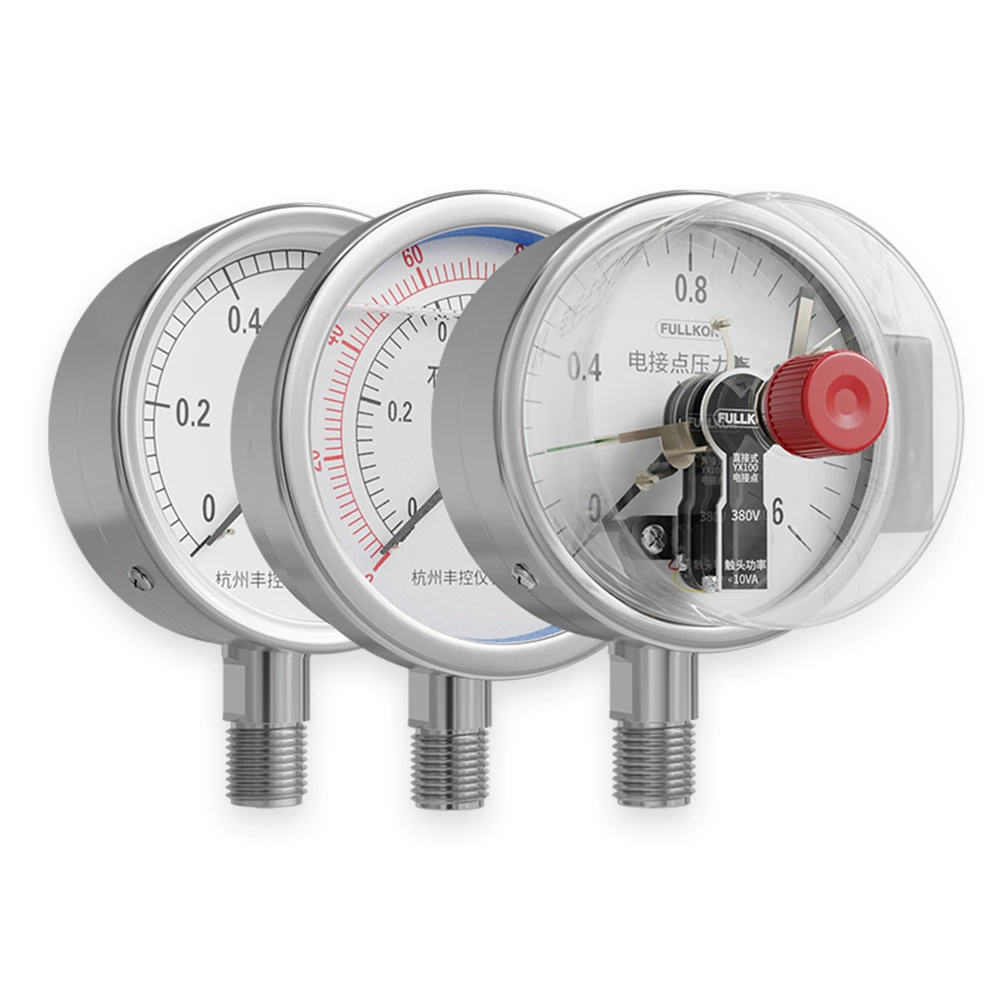
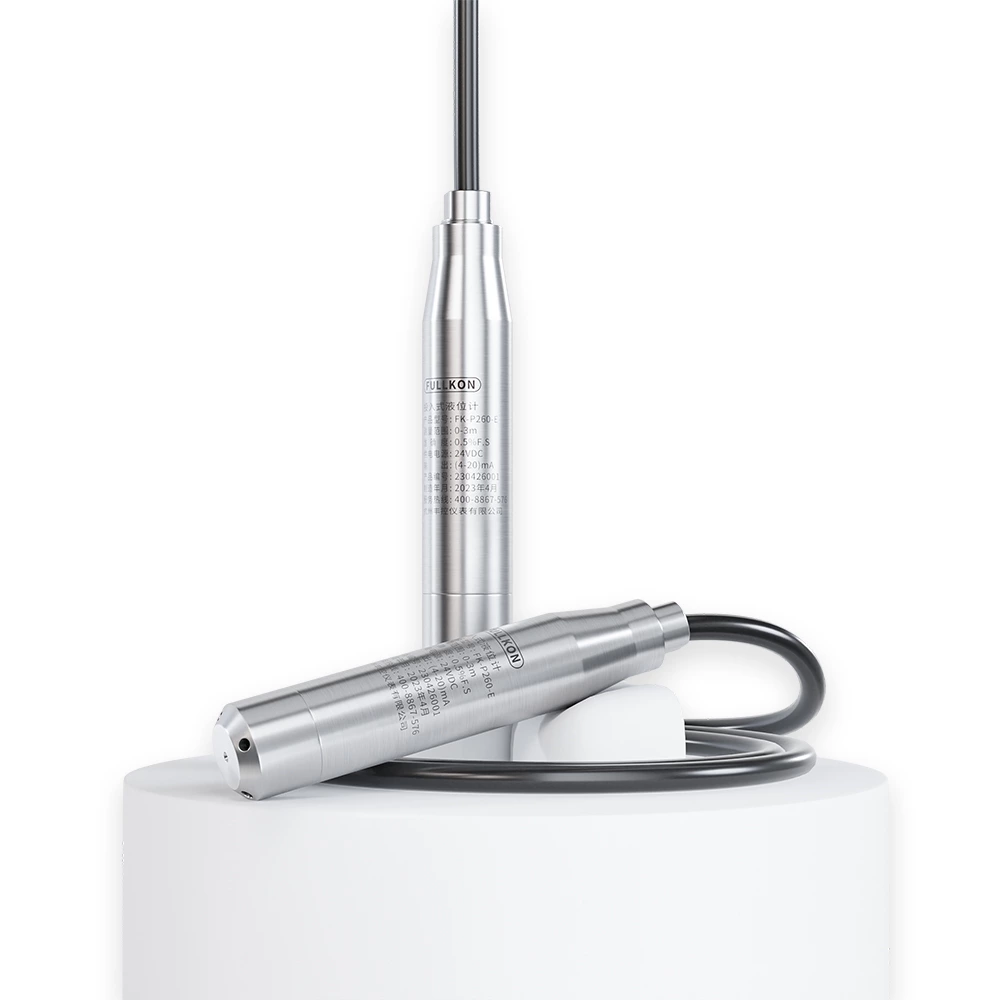
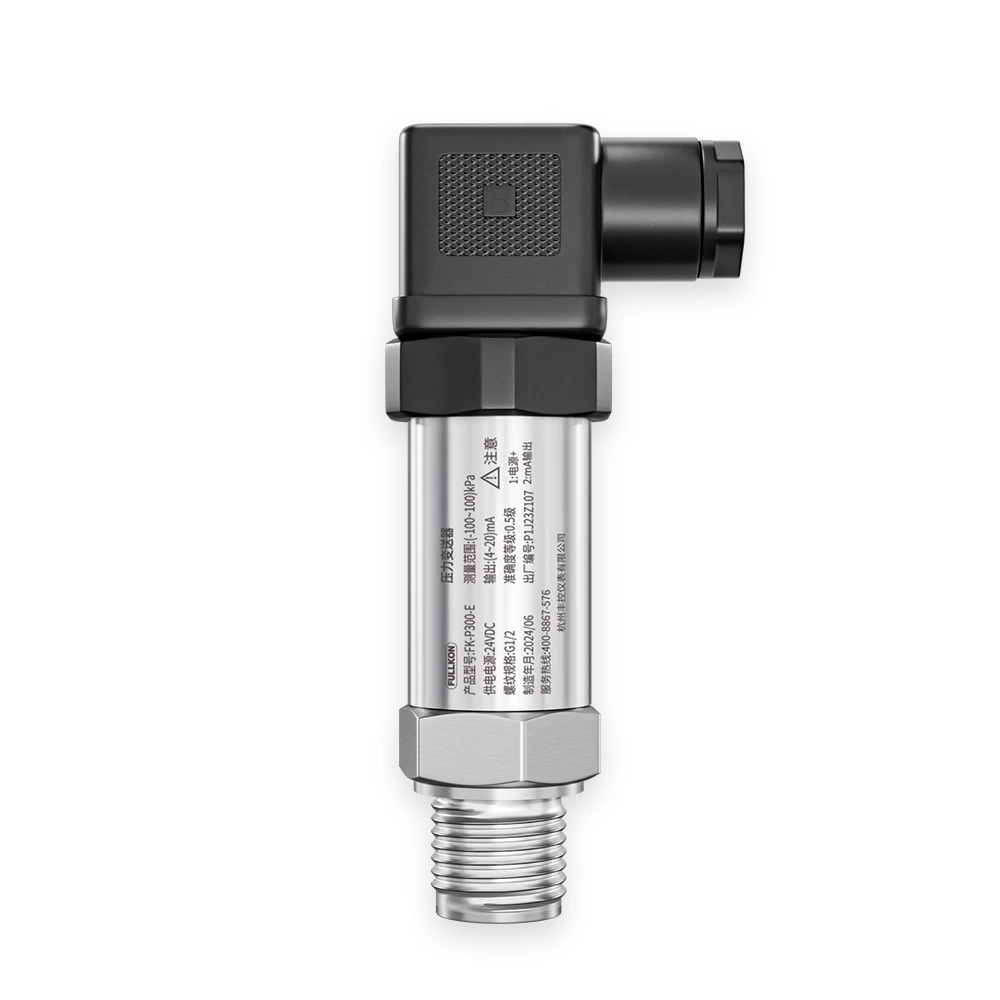
Conventional Diffused Silicon Pressure Transmitter

  • High-accuracy diffused silicon sensor with excellent long-term stability

  • Supports gauge pressure, absolute pressure, and sealed reference pressure measurement

  • Multiple output options: current, voltage, and RS485 digital signal

  • All-stainless-steel construction with 316L isolation diaphragm

  • Compact design with easy installation and strong environmental adaptability

  • Excellent resistance to vibration, shock, and electromagnetic interference

  • Product overview

The pressure transmitter adopts an imported high-precision, high-stability diffused silicon sensing element. An internal electronic amplifier processes the sensor signal and converts it into a standard output signal, including current, voltage, or RS485 digital communication.

Designed for industrial environments, this transmitter provides accurate measurement and control of gauge pressure, absolute pressure, and sealed reference pressure for various liquid and gas media. Its robust structure and advanced isolation technology ensure reliable operation in demanding applications across petroleum, chemical processing, steel production, electric power, light industry, and environmental protection sectors.


  • Key Features

Compact Structure: Small size and flexible installation options.

Advanced Diaphragm Isolation: Diaphragm and oil-filled isolation technology ensures accurate and stable measurement.

High Stability & Reliability: Designed for long-term operation in industrial environments.

Strong Anti-Interference: Excellent resistance to vibration, shock, and RF interference.

316L Stainless Steel Diaphragm: Suitable for a wide range of industrial fluids.

All-Stainless-Steel Construction: Enhances durability and corrosion resistance.

Multiple Signal Outputs: Supports voltage, current, and RS485 communication.

Wide Measuring Range: Capable of measuring gauge pressure, absolute pressure, and sealed reference pressure.

Flexible Configurations: Multiple structural forms available for convenient installation and use.


  • Technical Specifications

Input
Measured Variable Gauge pressure, Absolute pressure, Sealed gauge pressure
Measuring Range –100 kPa to 0…10 kPa up to 60 MPa
Output
Analog Output Output Type Load Resistance RL
4–20 mA (without display) RL ≤ (U − 10 V) / 0.02 A
4–20 mA (with display) RL ≤ (U − 14 V) / 0.02 A
0–5 V RL ≥ 5 kΩ
1–5 V
0–10 V
Note: U refers to the supply voltage (V).
Communication Output RS485 interface, Modbus protocol
Power Supply
Power Supply Output Type Supply Voltage
4–20 mA 10–32 VDC
0–5 V / 1–5 V 8–32 VDC
0–10 V 12–32 VDC
RS485 output 5–30 VDC
RS485 output with 4-digit LCD display 17–32 VDC
RS485 output with 4-digit 8-segment LED display 5–28 VDC
Electrical Connection Hirschmann connector
Performance
Accuracy 0.5% FS
Long-term Stability ±0.2% FS/year
Response Time Current / voltage output: T90 ≤ 10 ms
RS485 output: T90 ≤ 100 ms
Temperature Drift 10 kPa ≤ range ≤ 60 kPa: 2% FS (within temperature compensation range)
60 kPa < range ≤ 60 MPa: 1.5% FS (within temperature compensation range)
Compensated Temperature Range 10 kPa ≤ range < 25 kPa: 0 to 60 °C
25 kPa ≤ range ≤ 60 kPa: 0 to 70 °C
60 kPa < range ≤ 60 MPa: −10 to 70 °C
Insulation Resistance 20 MΩ @ 250 VDC
Dielectric Strength 500 VAC, 50 Hz
Ingress Protection IP65(Digital display head: IP50)
Process Conditions
Overload Pressure 0.035–10 MPa: 150% FS
10–60 MPa: 125% FS
Medium Temperature −20 to 85 °C
Ambient Conditions
Operating Temperature −20 to 85 °C
Storage Temperature −40 to 85 °C


  • Applications

The Diffused Silicon Pressure Transmitter is widely used for pressure measurement and control in:

Petroleum and oil & gas systems

Chemical processing plants

Steel and metallurgical industries

Electric power and energy systems

Light industrial applications

Environmental protection and monitoring systems
 

  • Measuring principle

The transmitter operates based on the piezoresistive effect of a diffused silicon pressure sensor. When the measured medium applies pressure to the sensor diaphragm, the diaphragm undergoes a micro-displacement proportional to the applied pressure.

This deformation causes a corresponding change in the resistance value of the piezoresistive elements. The electronic circuit detects this resistance variation, amplifies and processes the signal, and converts it into a standardized electrical output proportional to the applied pressure.

Send Us a Message

We are leading company in this field, We provide specific solutions for our every customers

This site uses cookies

We use cookies to collect information about how you use this site. We use this information to make the website work as well as possible and improve our services.