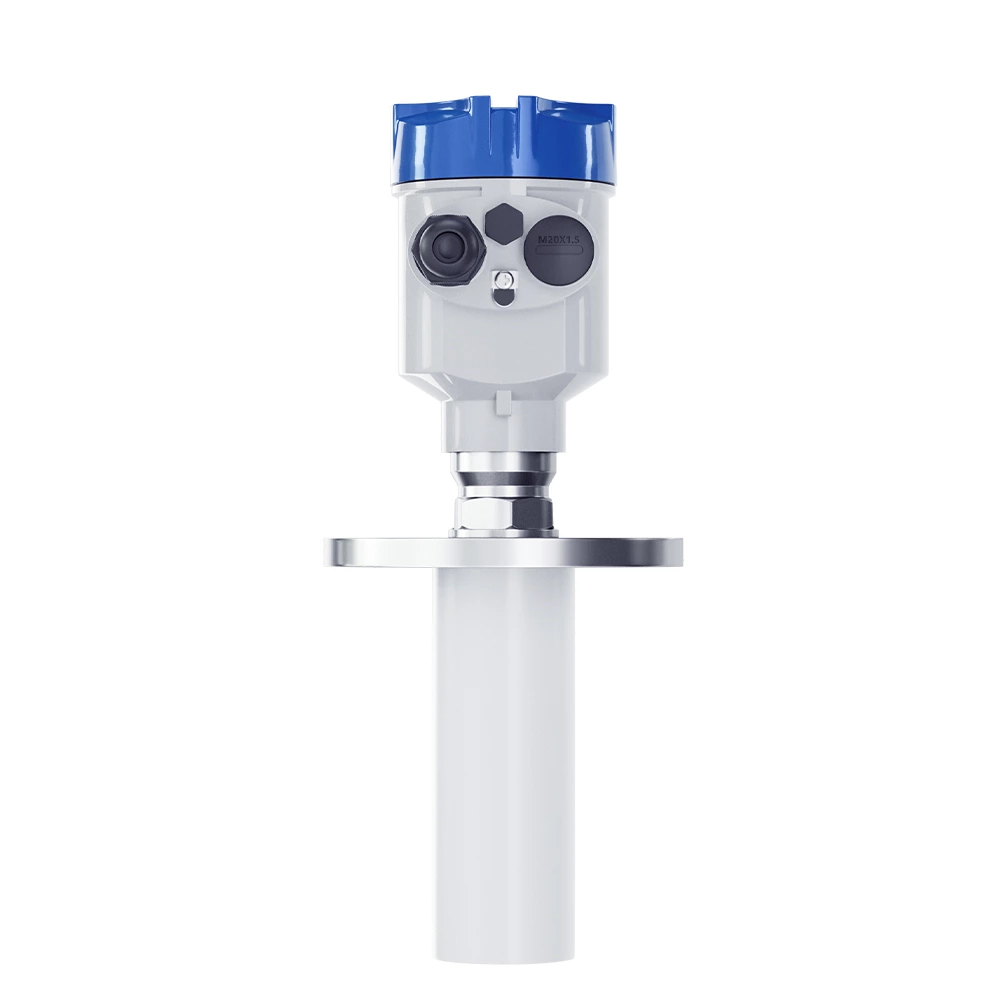
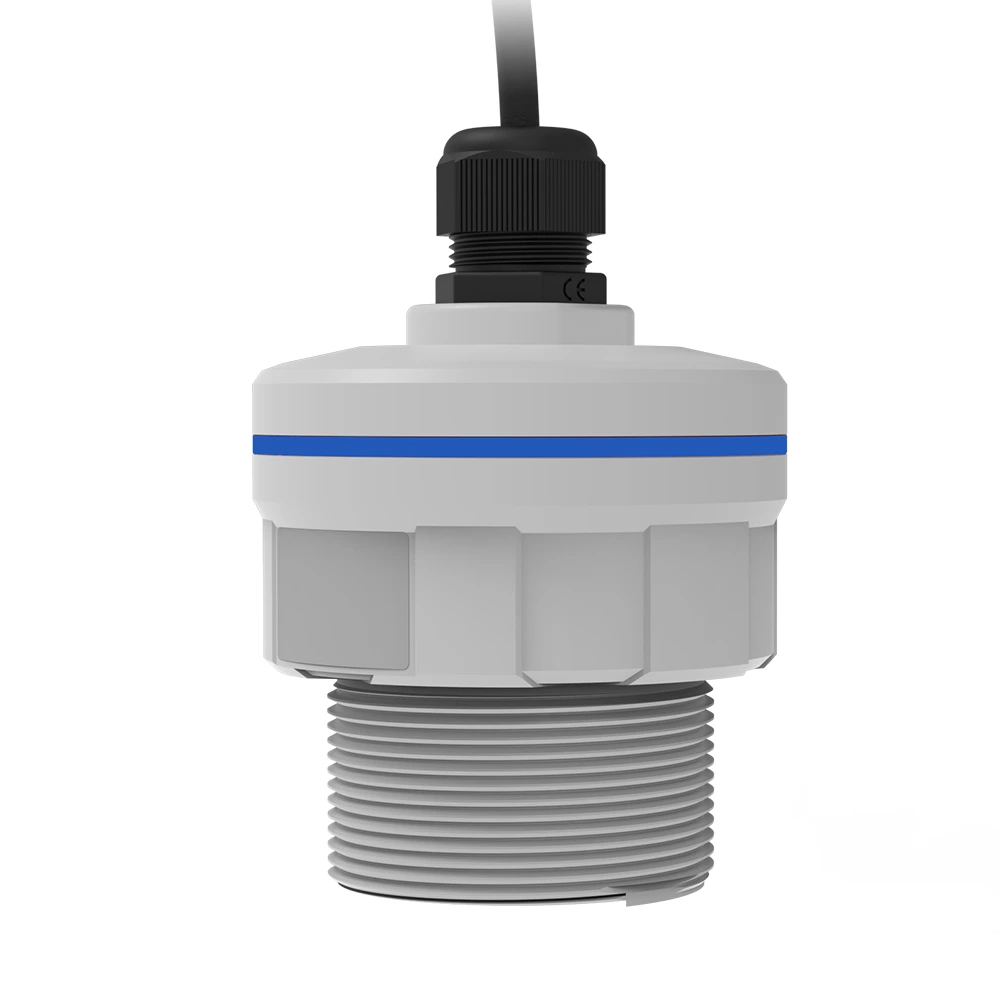
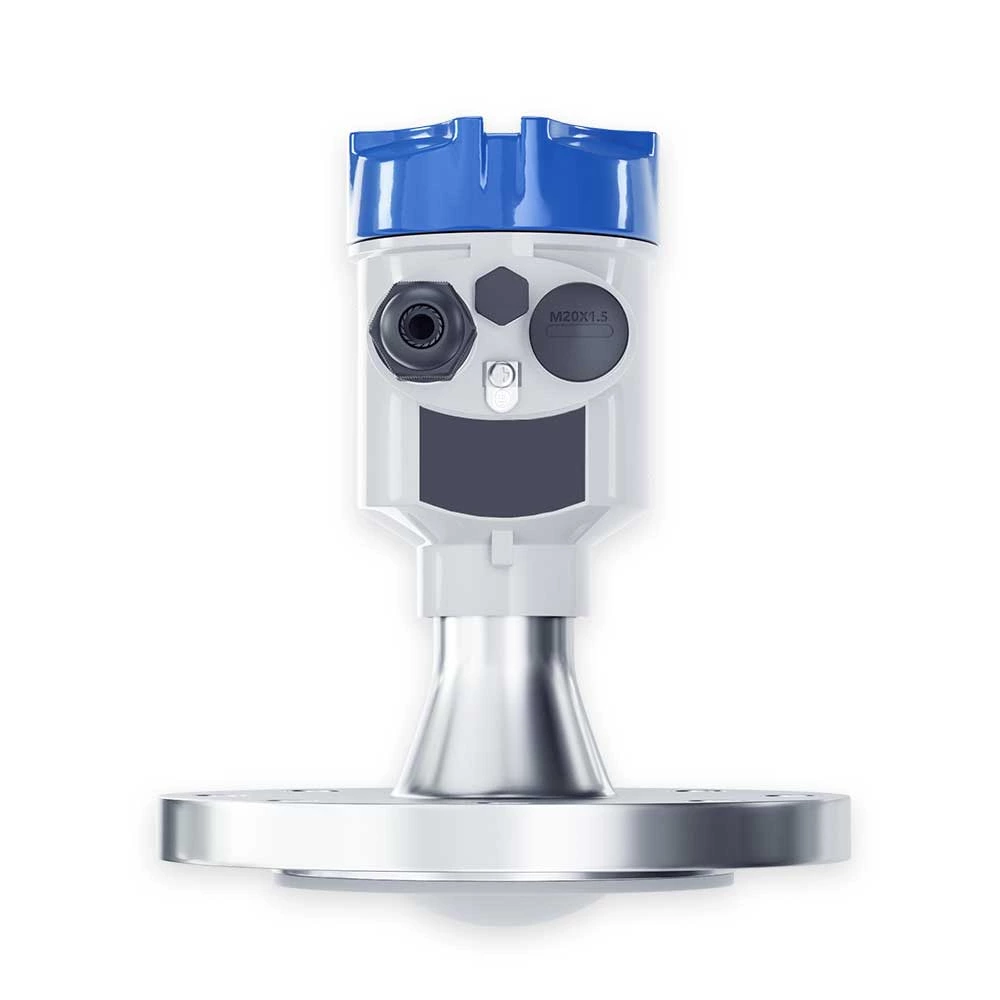
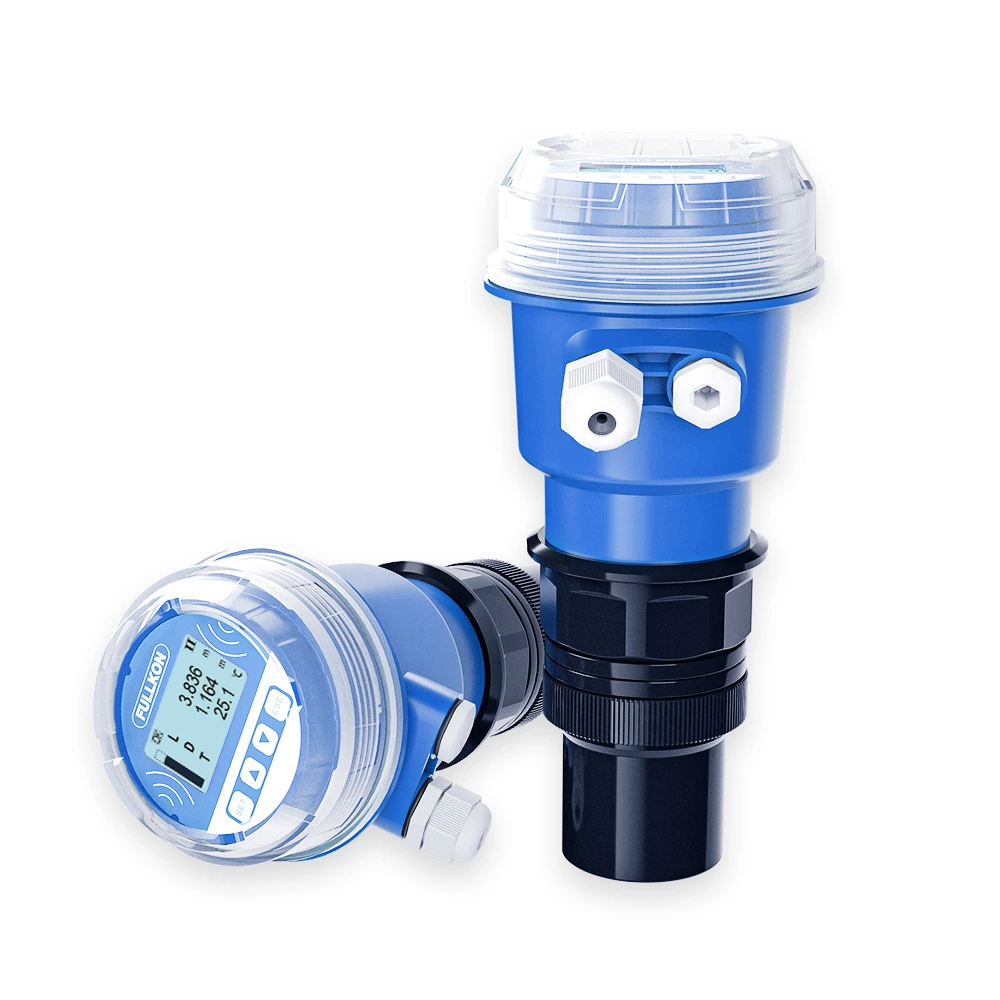
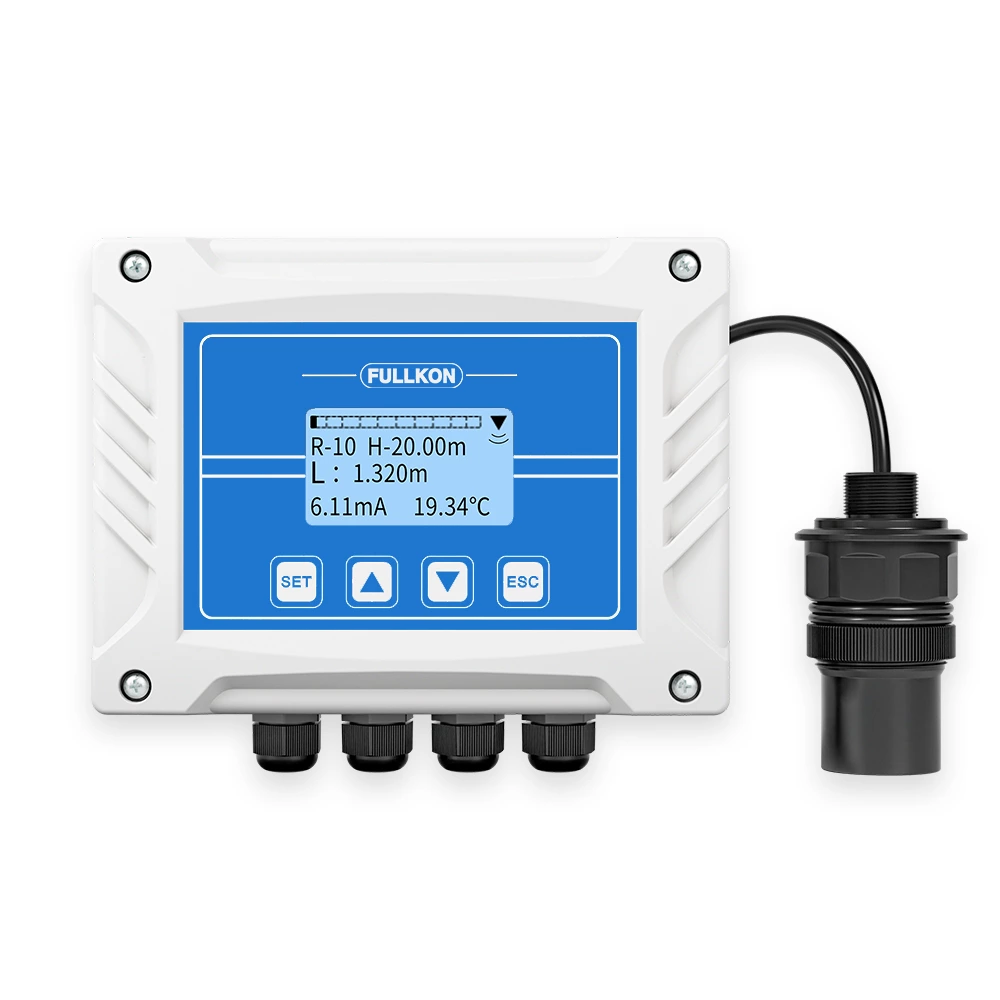
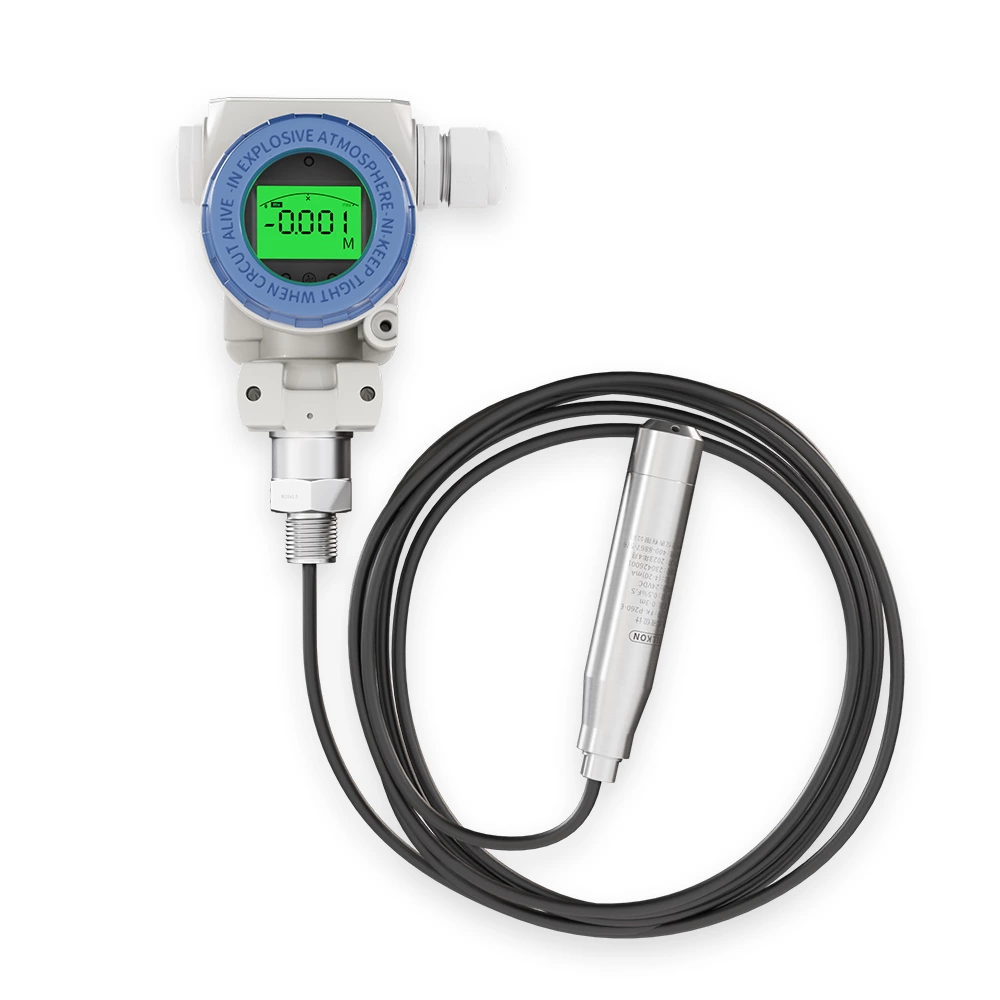
This series of radar level meters adopts a 26GHz high-frequency radar sensor, with a maximum measuring range of up to 70 meters. The antenna design has been further optimized, and a new generation of fast microprocessors is used to achieve higher signal processing speed and efficiency.
With advanced signal analysis algorithms, the radar level meter is capable of stable and accurate level measurement in reactors, solid silos, and other complex measurement environments. Its non-contact measuring principle ensures high reliability and minimal maintenance requirements.
Compact antenna design for easy installation
Non-contact radar measurement, no mechanical wear and no pollution
Almost unaffected by corrosion, foam, or vapor
Stable operation under temperature and pressure changes
Minimal influence from dusty environments
Short wavelength provides better reflection on inclined solid surfaces
Narrow beam angle concentrates energy, enhancing echo strength and reducing interference
High signal-to-noise ratio for reliable measurement even with level fluctuations
Suitable for high-frequency measurement of solids and low dielectric constant media
The radar level meter operates based on the transmission and reflection of microwave pulses.
The antenna emits a narrow microwave pulse downward toward the measured medium. When the microwave reaches the surface of the liquid or solid material, it is reflected back and received by the same antenna system. The received signal is then transmitted to the electronic circuit, where it is automatically converted into a level signal.
Because electromagnetic waves propagate at the speed of light, the time required for the signal to travel to the target surface and back to the receiver is extremely short. By precisely measuring this time difference, the distance to the medium surface is calculated, and the level is determined.
Measurement reference and parameters:
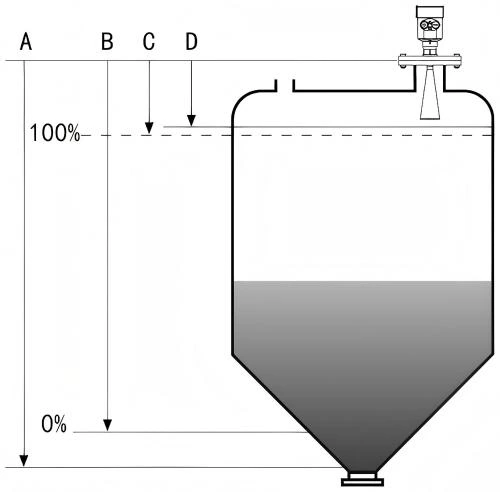
Datum (reference point):
Screw thread bottom or flange sealing surface.
Note:
Ensure that the maximum level does not enter the measuring blind area (Area D).
The 26GHz radar level meter is suitable for continuous level measurement in demanding industrial applications, including:
Chemical Reactors
Level monitoring under high temperature, pressure, or vapor conditions
Solid Silos & Bins
Measurement of powders, granules, and bulk solids
Storage Tanks
Liquid level measurement in industrial tanks and vessels
Dusty or Complex Environments
Cement, mining, and material handling industries
Process Industry Applications
Level measurement where ultrasonic or contact sensors are not suitable
 Model Selection