OUR PROJECT
DATA CENTER
-
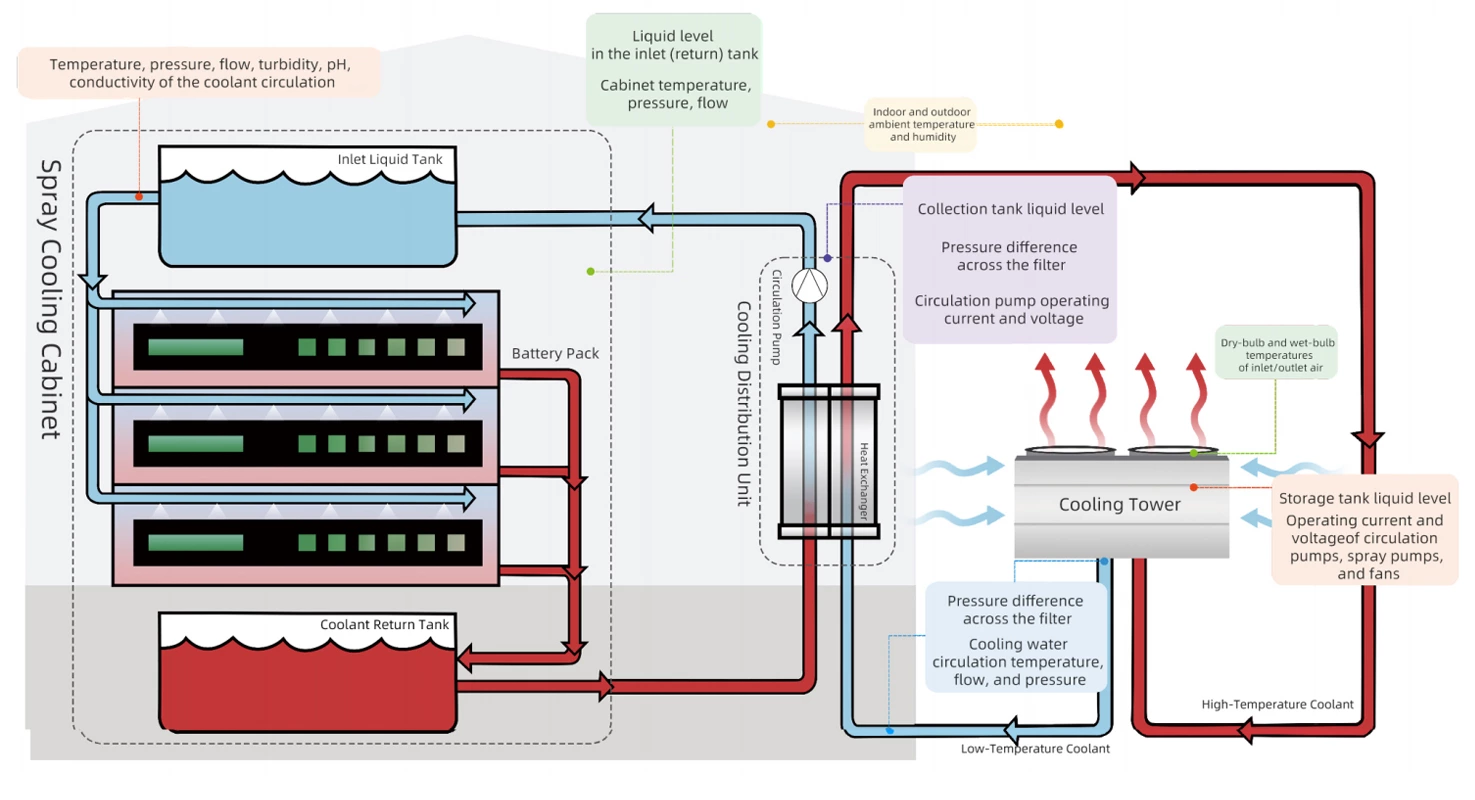
Spray Direct Liquid Cooling
Spray cooling is a type of direct-contact liquid cooling designed for precise spraying on chip-level components. Using gravity or system pressure, the coolant is directly sprayed onto heat-generating components or thermally conductive elements connected to them. This method achieves 100% liquid cooling and features a structurally revolutionary design superior to immersion cooling. However, its energy-saving performance is less efficient compared to immersion cooling and shares similar limitations with the latter.
-
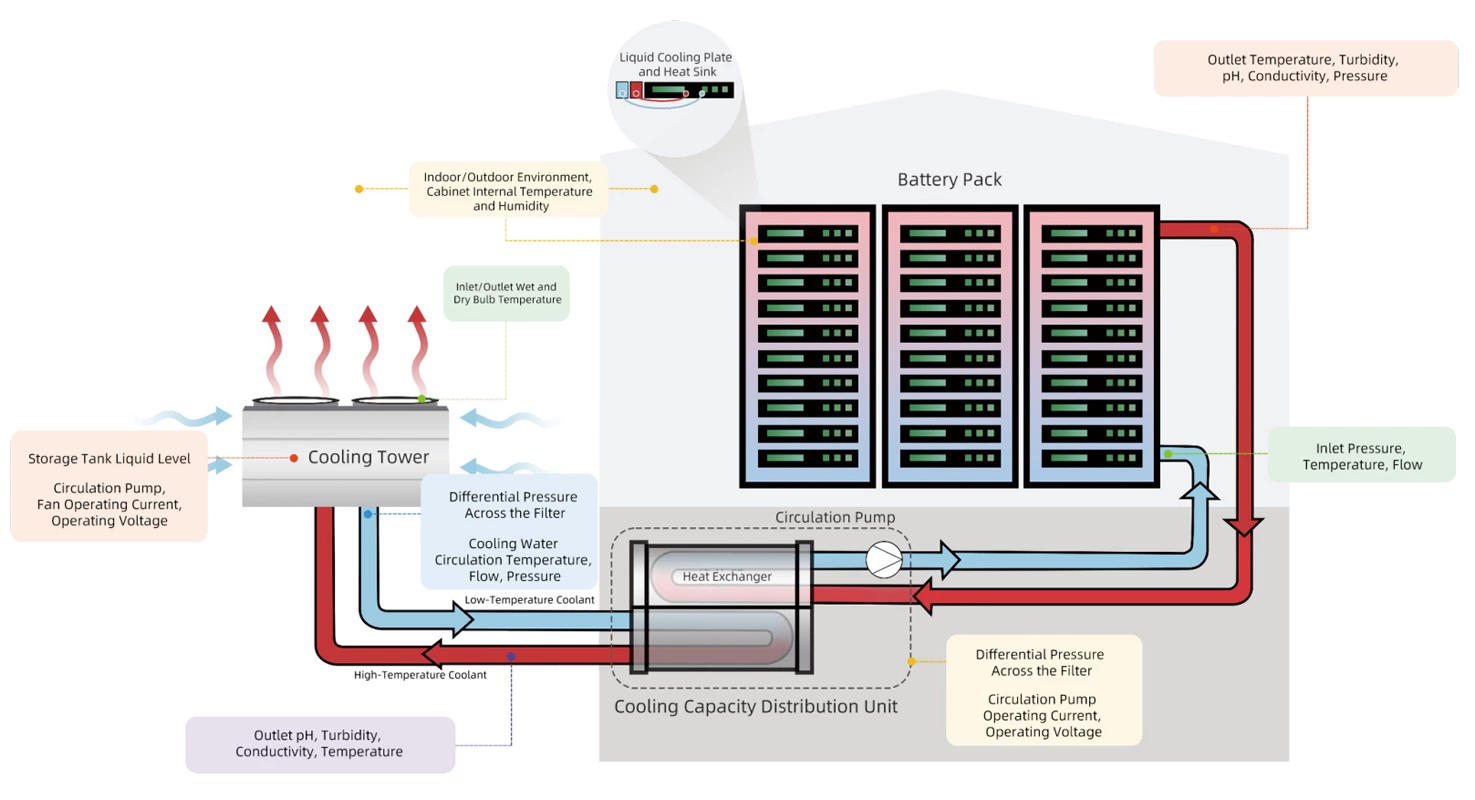
Cold Plate Liquid Cooling
Cold plate liquid cooling is currently the most mature non-contact liquid cooling technology in the industry. This technology uses a liquid cooling plate (usually made of heat-conductive metals such as copper or aluminum to form a sealed cavity) to indirectly transfer the heat from the heating components to the coolant enclosed in the circulation pipeline, thus achieving an efficient heat dissipation form. Fullkon can assist users in monitoring and optimizing parameters such as temperature, flow, pressure, and liquid level, ensuring the reliable automated operation of equipment.
-
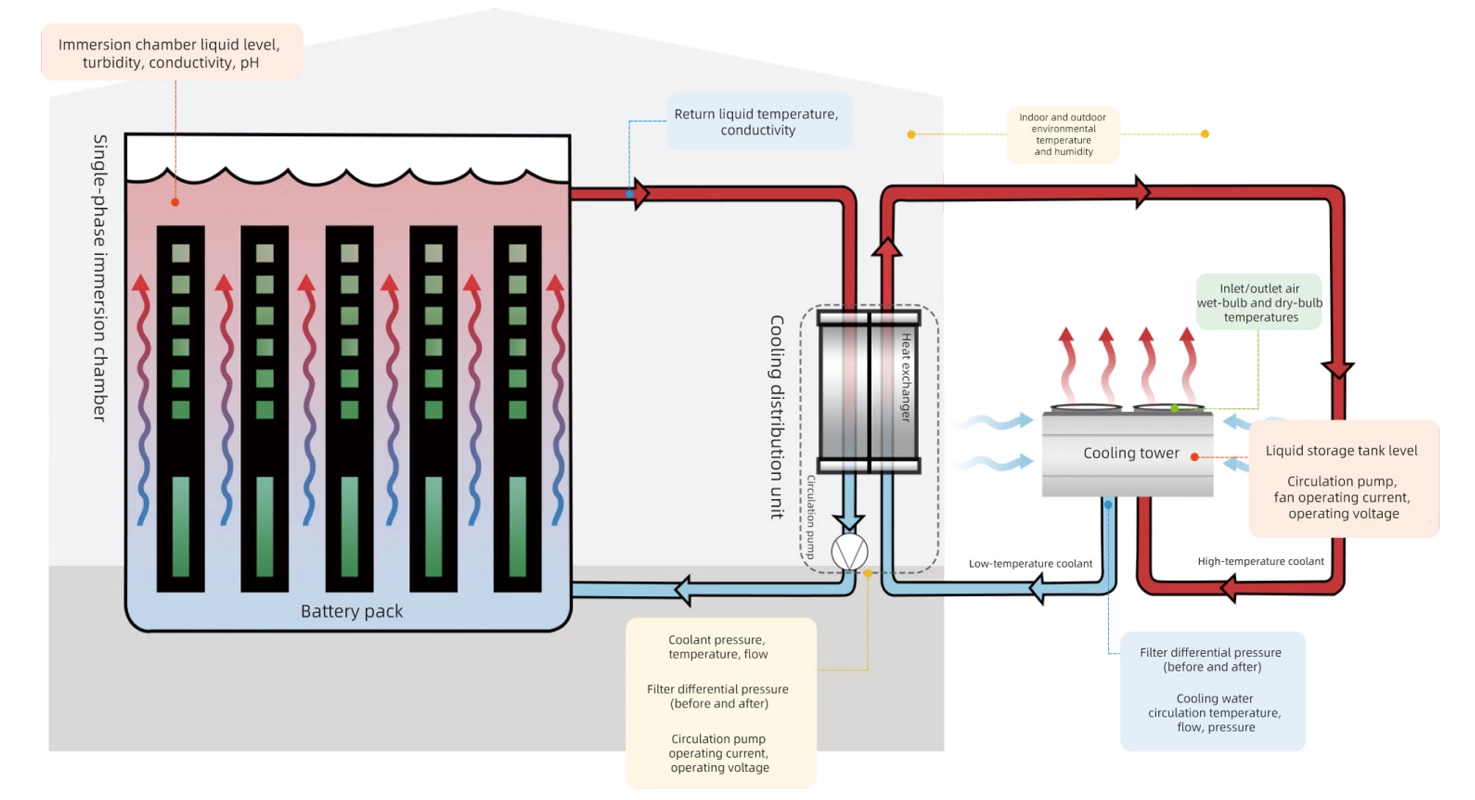
Immersion Liquid Cooling (Single-phase)
In the heat exchange process, based on whether the coolant undergoes a phase change, it can be categorized into two types: single-phase immersion cooling and phase-change immersion cooling. Servers or other IT components are submerged in a heat-conducting medium or coolant: the coolant remains in liquid form and does not boil or freeze. After coming into contact with the heated components, the coolant transfers heat to the cooling circuit through a heat exchanger. This technology, known as single-phase immersion cooling, achieves 100% liquid cooling and offers superior energy-saving performance. Typically, maintenance requirements for single-phase immersion cooling solutions are much lower, and any adjustments are easier to access and maintain.
-
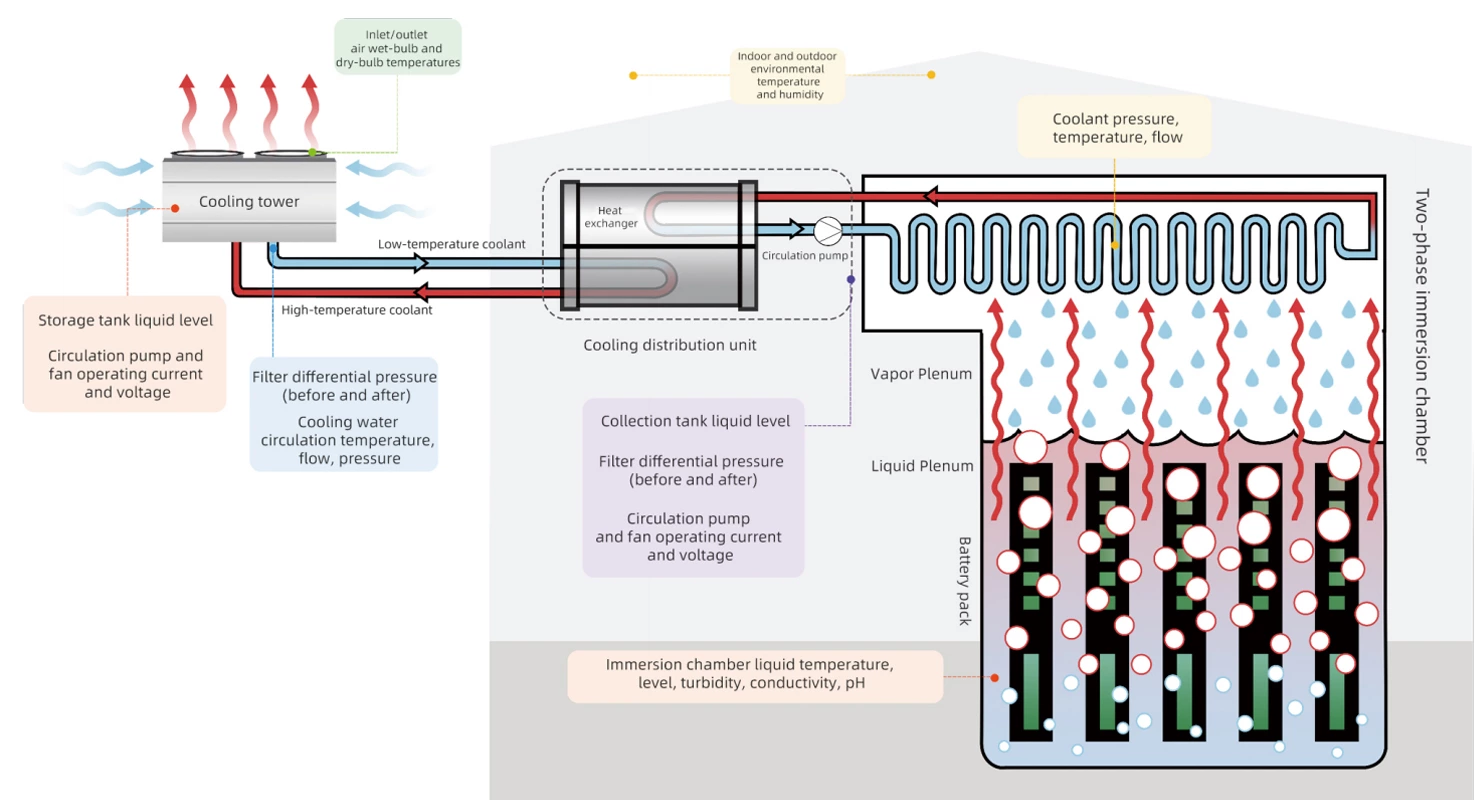
Immersion Liquid Cooling (Phase-change)
According to whether phase changes occur in the cooling liquid during heat exchange, it can be divided into single-phase immersion cooling and phase-change immersion cooling. Phase-change immersion cooling technology refers to immersing servers or other IT components in thermally conductive medium liquids or cooling liquids. By circulating the liquid to areas directly in contact with heat-generating components, the liquid undergoes a low-temperature evaporation process, cooling the heat-generating components and transferring heat away from the liquid, thereby removing heat from the system. The vapor is then cooled again through heat exchange methods (e.g., condenser coils) and returned to a larger liquid volume. Current research indicates that two-phase cooling may outperform single-phase cooling slightly, with a PUE value of 1.02 compared to 1.03 for single-phase cooling.

Send Us a Message
We are leading company in this field, We provide specific solutions for our every customers