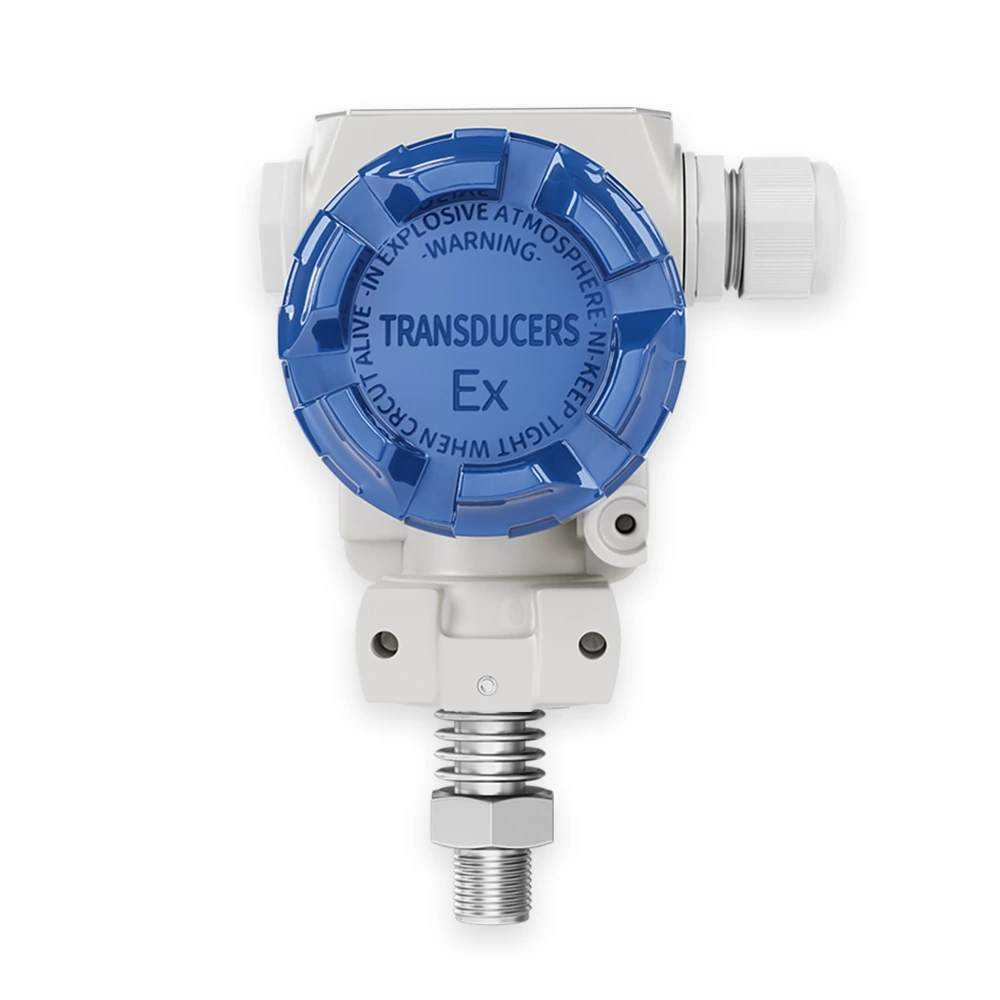
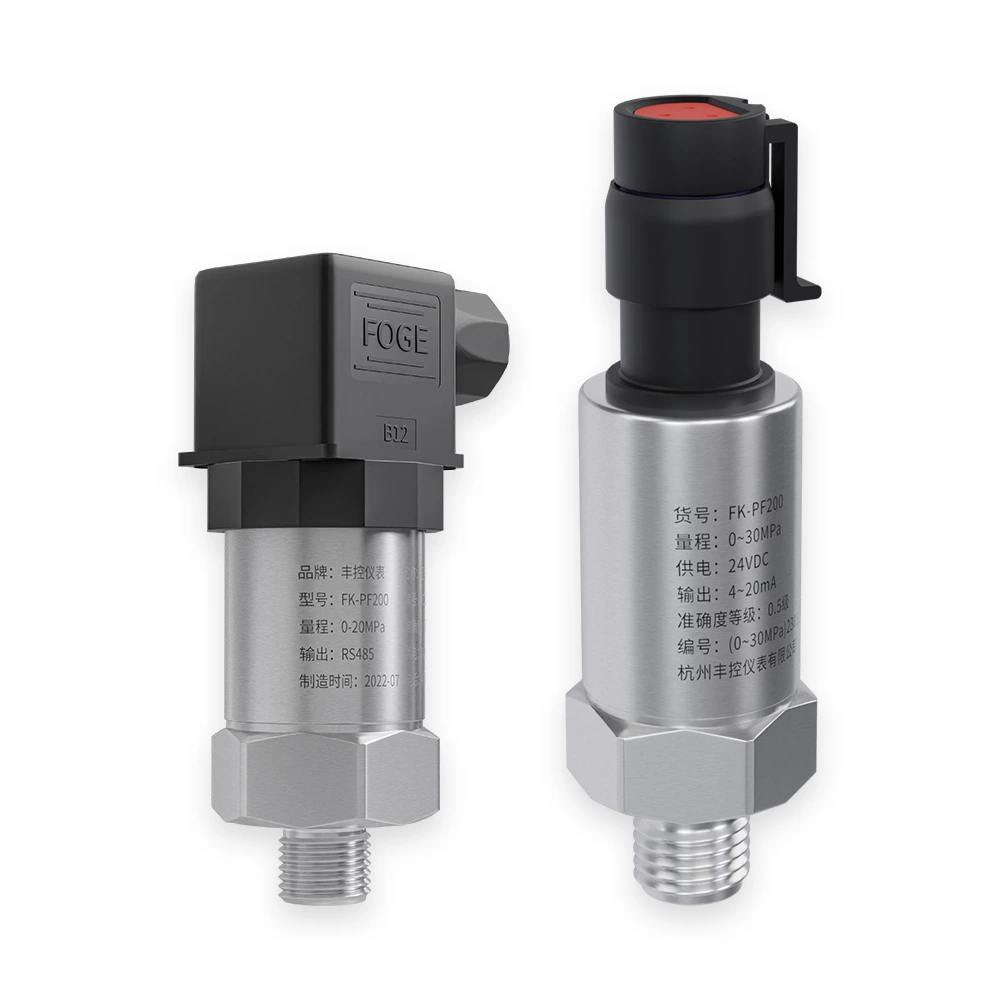
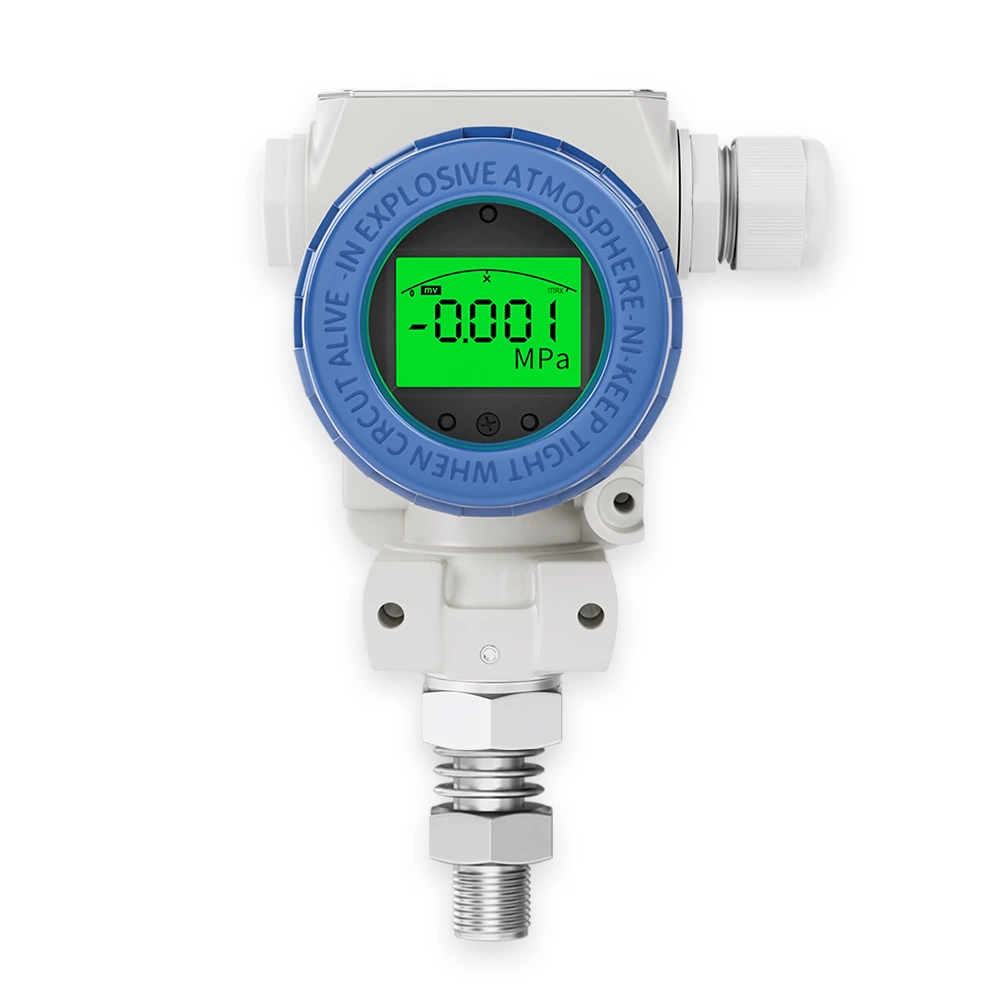
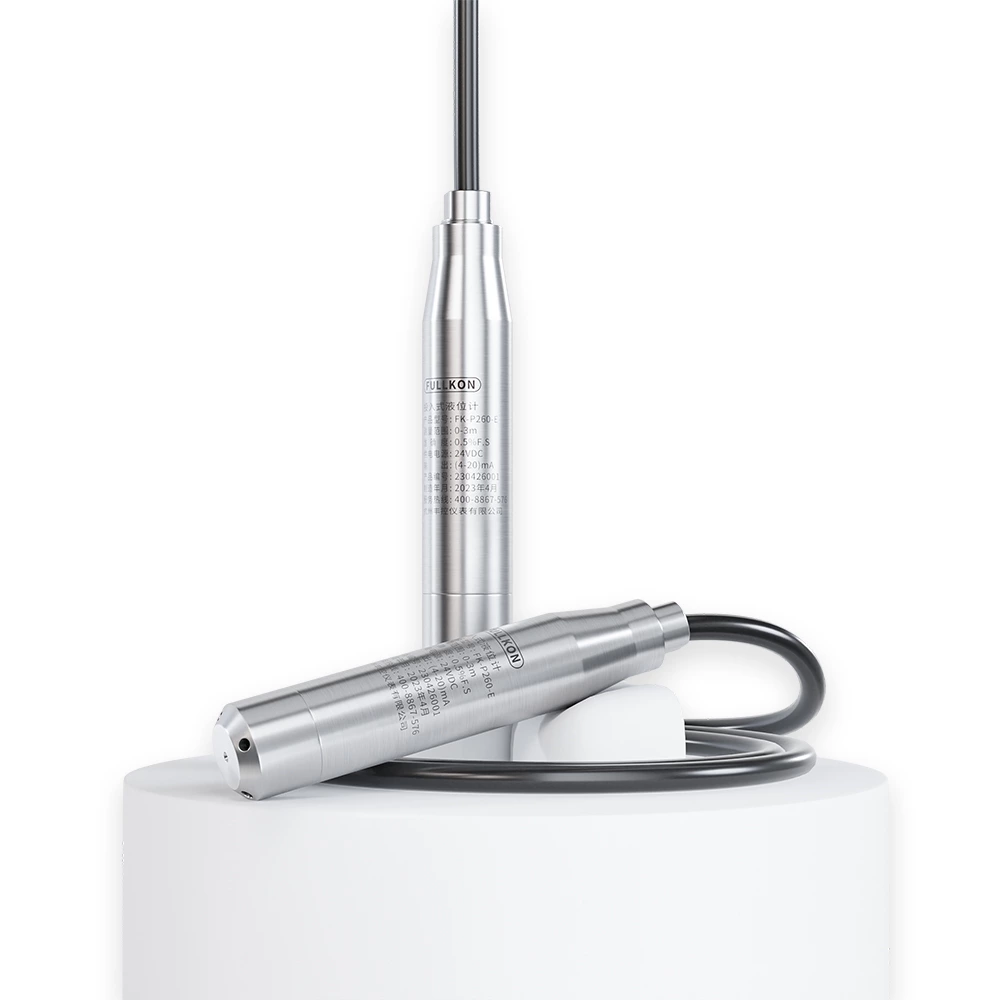
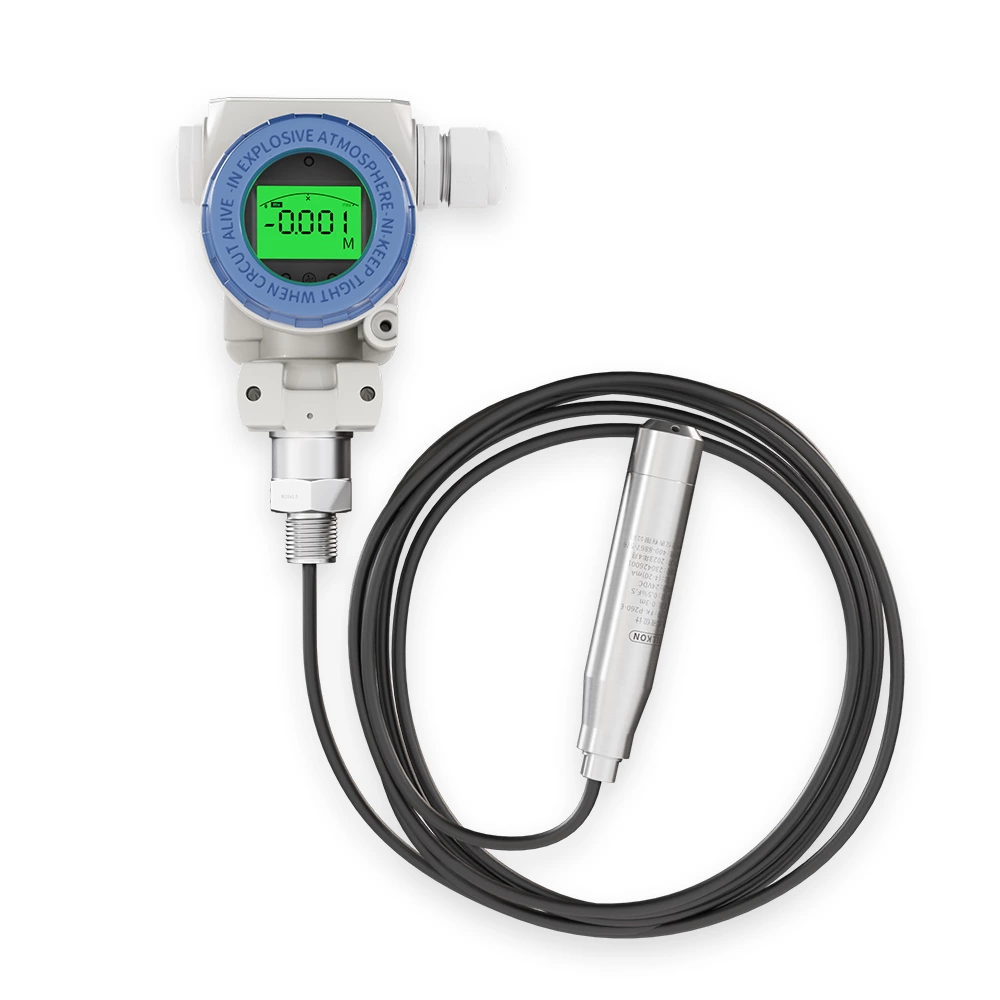
The 2088 housing high-temperature pressure transmitter adopts an imported high-precision and high-stability diffused silicon pressure sensing element. An internal electronic amplifier converts the sensor signal into standard output formats, including current, voltage, and RS485 digital communication.
With its rugged 2088-style housing, the transmitter is well suited for harsh industrial environments and elevated process temperatures. It can be directly connected to PLCs, control instruments, intelligent meters, and DCS systems, making it a reliable solution for industrial process pressure monitoring and control.
2088 Industrial Housing
Provides strong mechanical protection and environmental adaptability.
High-Temperature Capability
Designed for pressure measurement of high-temperature fluids and gases.
High-Performance Diffused Silicon Sensor
Ensures high accuracy, stability, and repeatability.
Wide Pressure Range
Suitable for various industrial pressure measurement applications.
Optional Digital Display
Allows convenient local pressure reading.
Multiple Output Signals
Current, voltage, and RS485 options available for flexible system integration.
Easy Installation & Maintenance
Standard industrial mounting and wiring for fast deployment.
The transmitter operates based on the piezoresistive effect of a diffused silicon pressure sensor. When pressure from the measured medium is applied to the diaphragm, the diaphragm undergoes a micro-displacement proportional to the applied pressure.
This deformation causes a corresponding change in the resistance of the diffused silicon elements. The internal electronic circuit detects and amplifies this change and converts it into a standardized electrical signal corresponding to the measured pressure value.
The 2088 Housing High-Temperature Pressure Transmitter is widely used in:
Industrial process control systems
Petroleum and oil & gas processing
Chemical and petrochemical industries
Metallurgical and steel plants
High-temperature fluid and gas pressure monitoring
Industrial automation and control systems