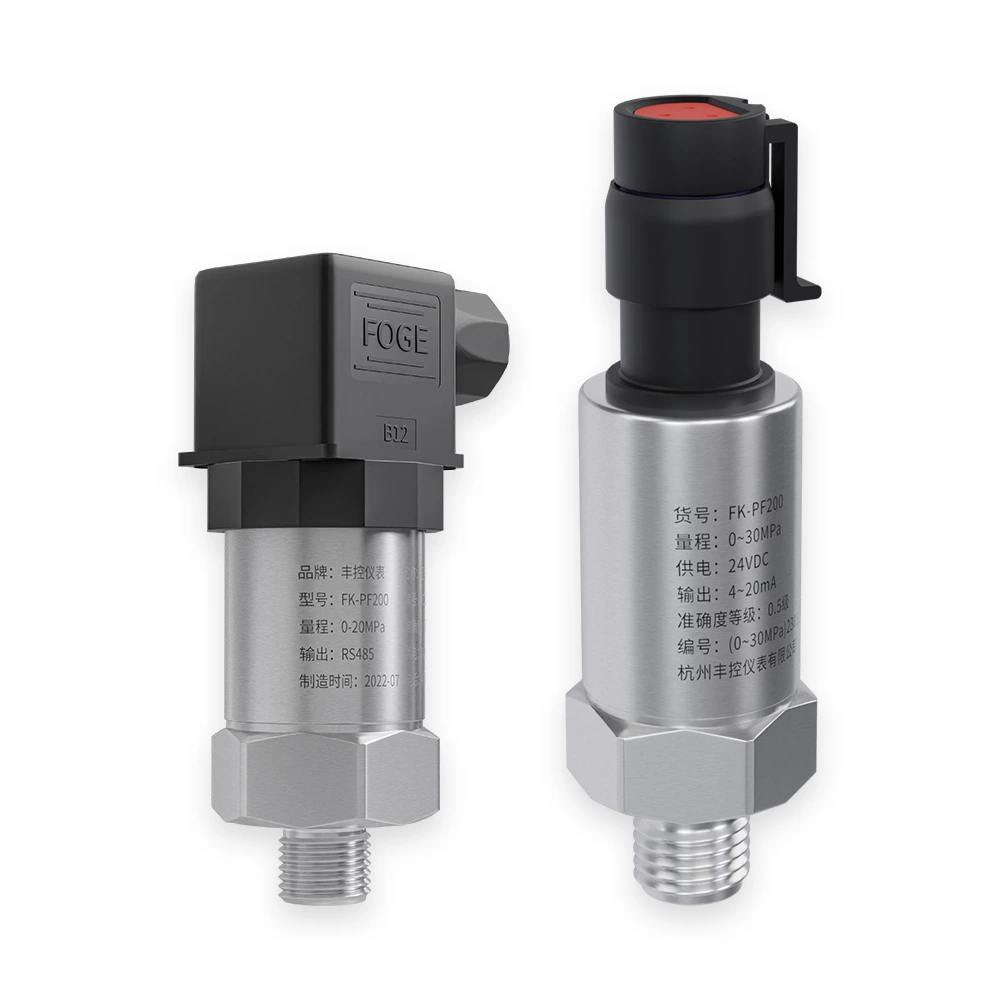
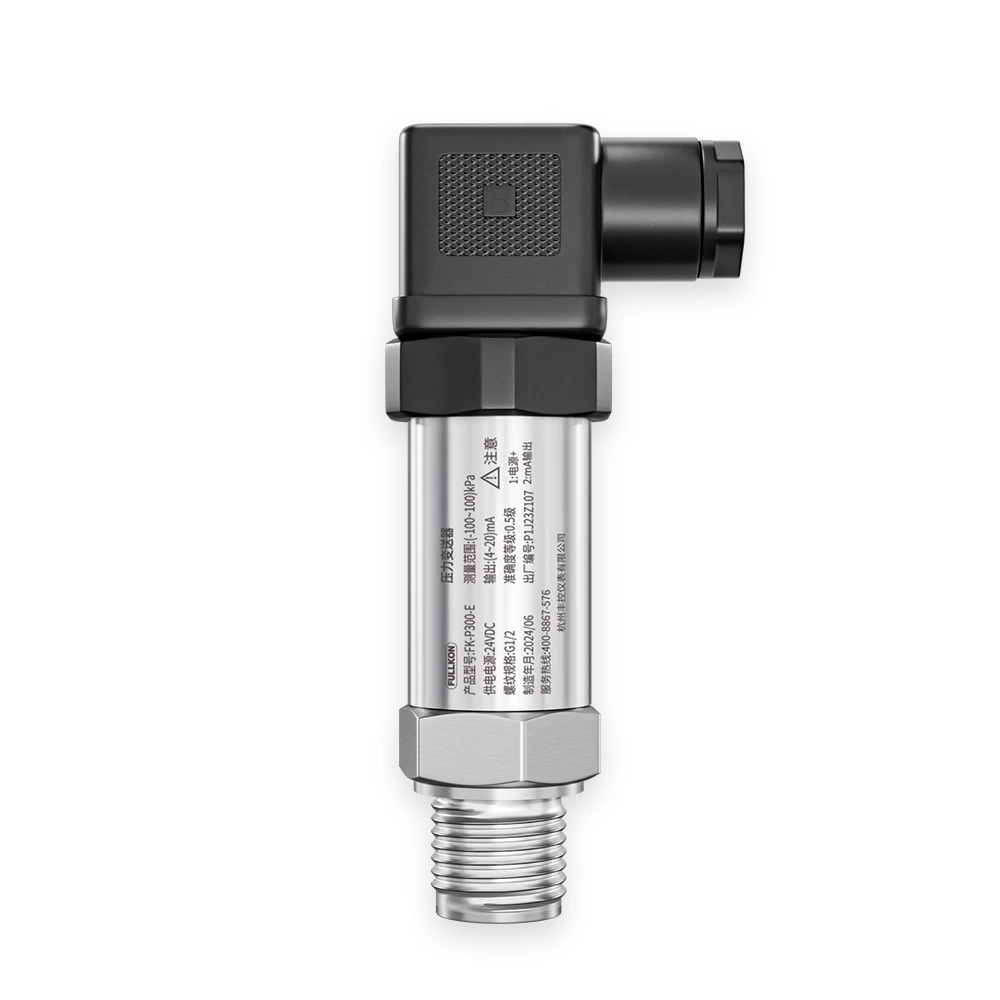
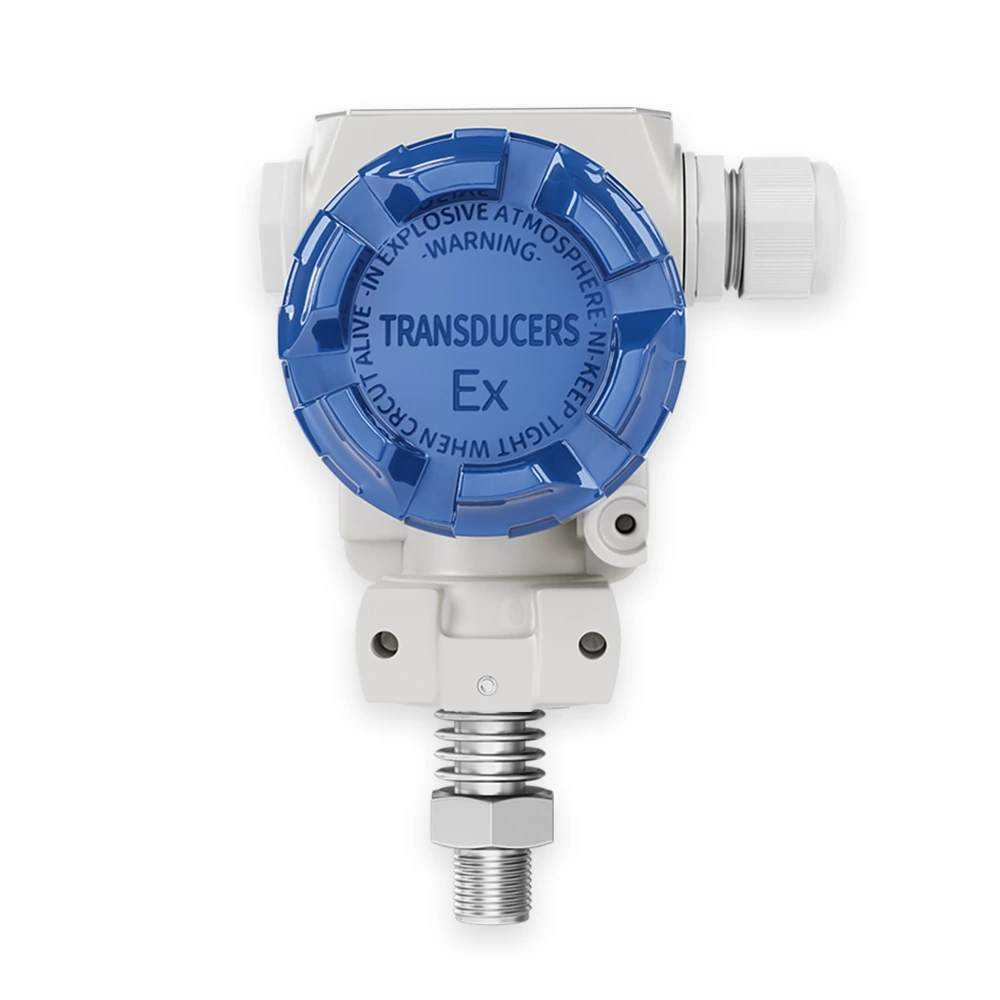
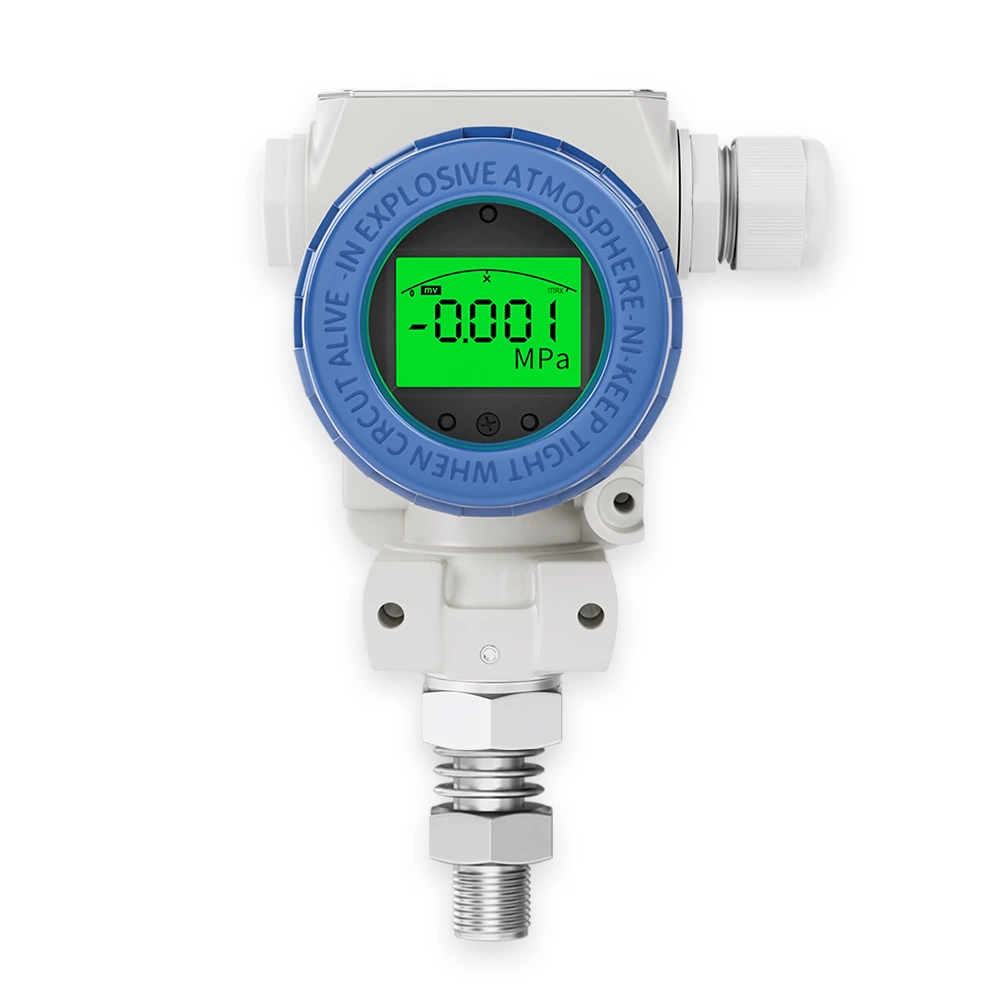
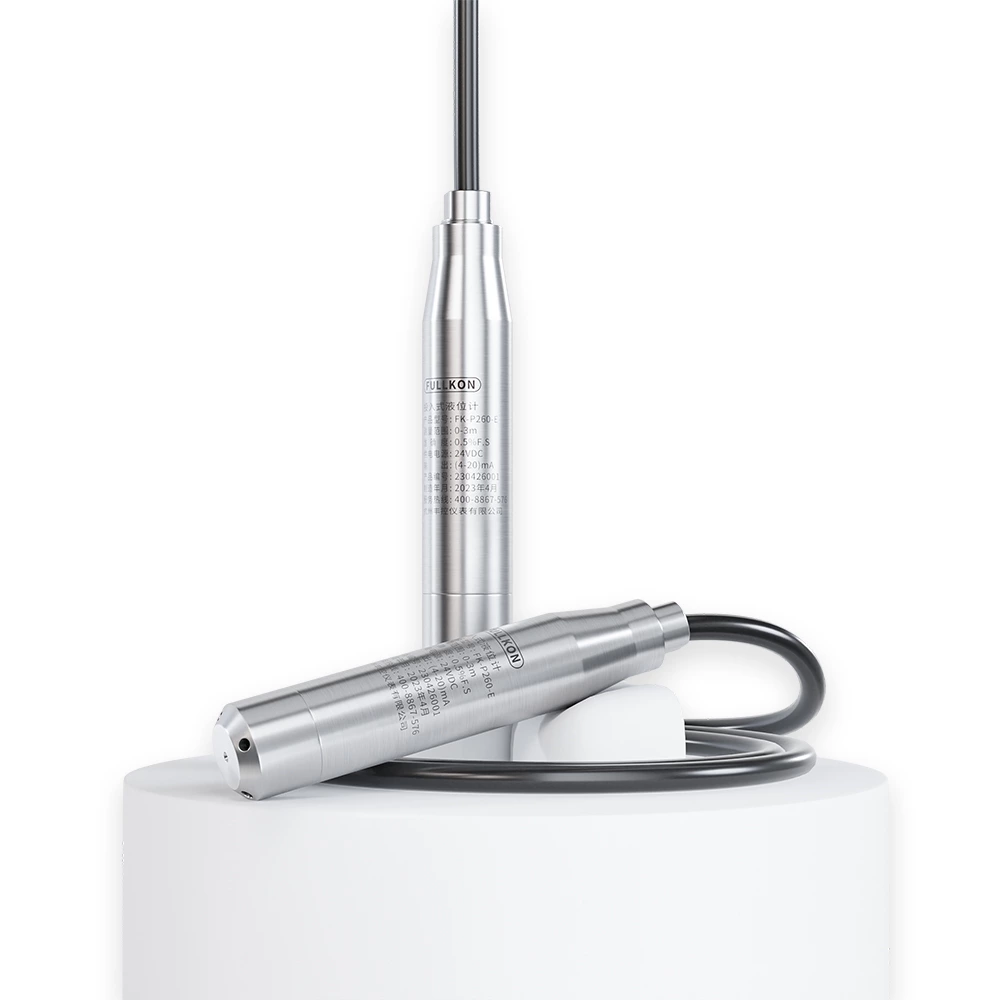
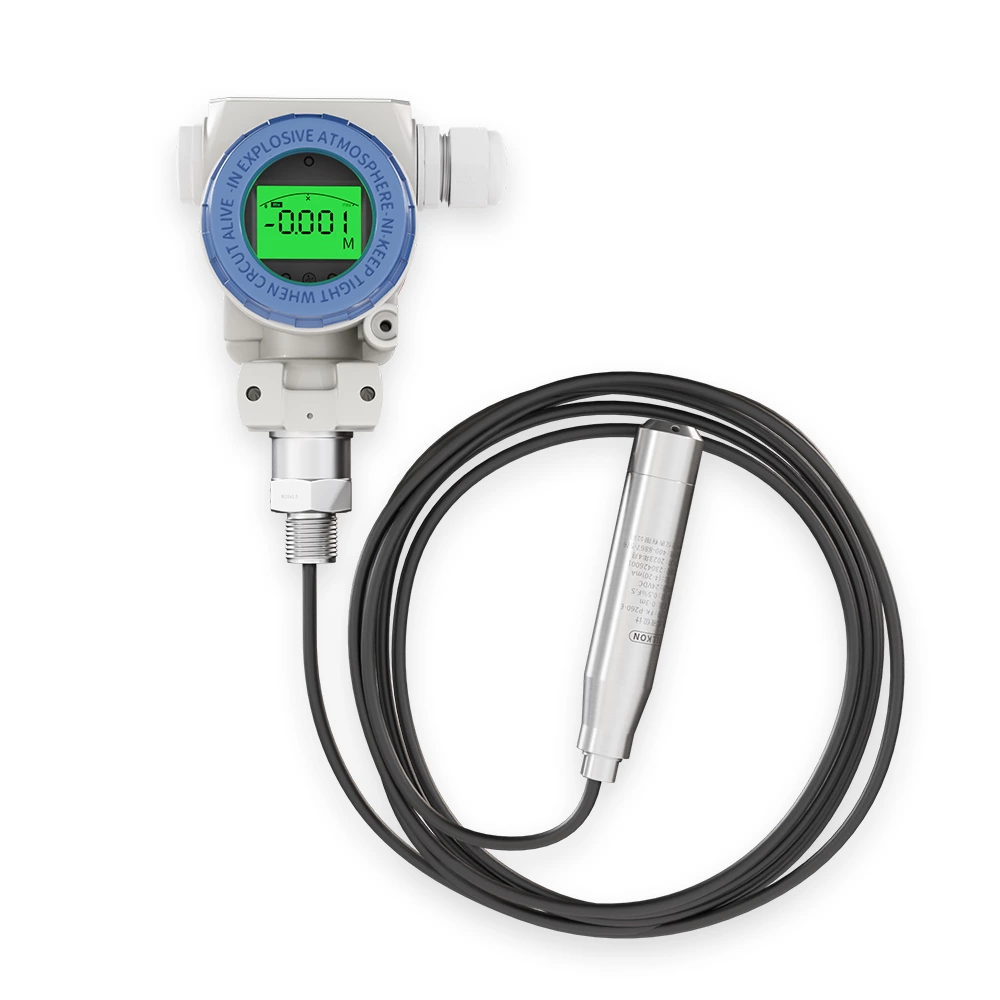
This series of pressure transmitters utilizes a pressure-sensitive core manufactured using glass micro-fusion technology. The internal dedicated integrated circuit converts the sensor’s millivolt-level signal into standard voltage, current, or frequency outputs, enabling direct connection to computer interface cards, control instruments, intelligent meters, or PLC systems.
For long-distance signal transmission, current output is recommended to ensure signal integrity. The transmitter features a compact size, light weight, and a fully stainless-steel sealed construction, allowing stable operation in corrosive environments compatible with 316L or 17-4PH stainless steel.
Thanks to its simple installation and excellent resistance to vibration and impact, this product is widely used in process control, aviation, aerospace, automotive, medical devices, and HVAC applications.
Glass Micro-Fused Sensor Core: High structural strength and excellent long-term stability
Compact & Lightweight Design: Easy integration into space-limited installations
All-Stainless-Steel Sealed Structure: Enhanced corrosion resistance
High Vibration & Shock Resistance: Suitable for dynamic and mobile applications
Multiple Output Signals:
4–20 mA
0.5–4.5 V
0–10 V
1–5 V
Wide Pressure Range: From vacuum to ultra-high pressure applications
Easy Installation: Simple mechanical structure and standardized connections
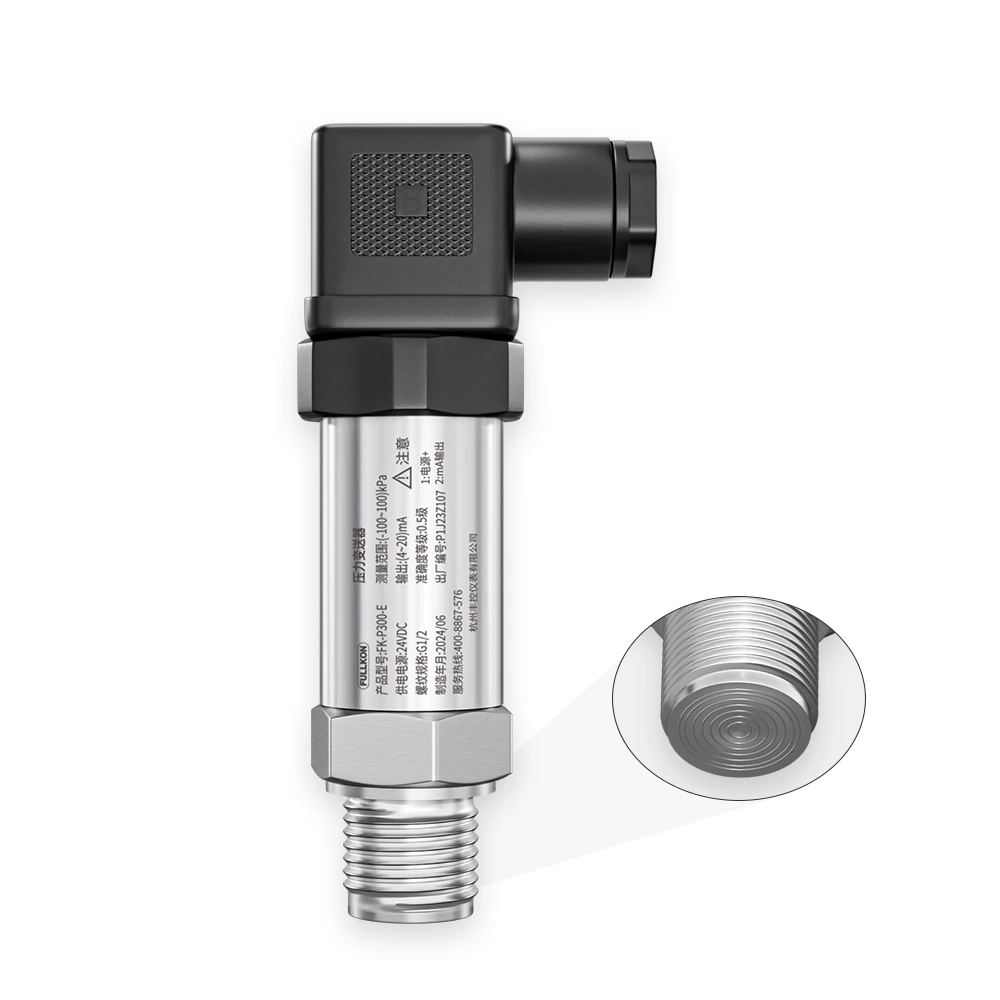
The pressure transmitter operates based on a glass micro-fused piezoresistive sensing element. When pressure is applied, mechanical stress is transferred through the stainless-steel diaphragm to the sensing element. The resulting resistance change is detected by the internal electronic circuit and converted into a standardized electrical output proportional to the applied pressure.
This solid-state structure eliminates the need for oil filling, improving mechanical robustness and long-term reliability under harsh operating conditions.
The Glass Micro-Fused Pressure Transmitter is designed for reliable pressure measurement and monitoring in demanding industrial and high-dynamic environments, including:
Process Control Systems
Pressure monitoring and control in industrial process lines, pipelines, and automation systems.
Oil & Gas Equipment
Pressure measurement in hydraulic systems, compressors, pumps, and auxiliary oil & gas equipment.
Chemical & Corrosive Media Applications
Suitable for media compatible with 316L and 17-4PH stainless steel in chemical processing and fluid handling systems.
Aerospace & Aviation Systems
Used in pressure monitoring applications requiring high vibration and shock resistance.
Automotive Industry
Pressure sensing in hydraulic systems, test benches, and vehicle-related equipment.
Medical Equipment
Pressure measurement in medical devices where compact size and high stability are required.
HVAC Systems
Monitoring pressure in heating, ventilation, and air conditioning systems.
Energy & Power Systems
Pressure control in energy production, auxiliary systems, and industrial power equipment.
General Industrial Machinery
Integration into pumps, compressors, and industrial machinery for pressure feedback and protection.