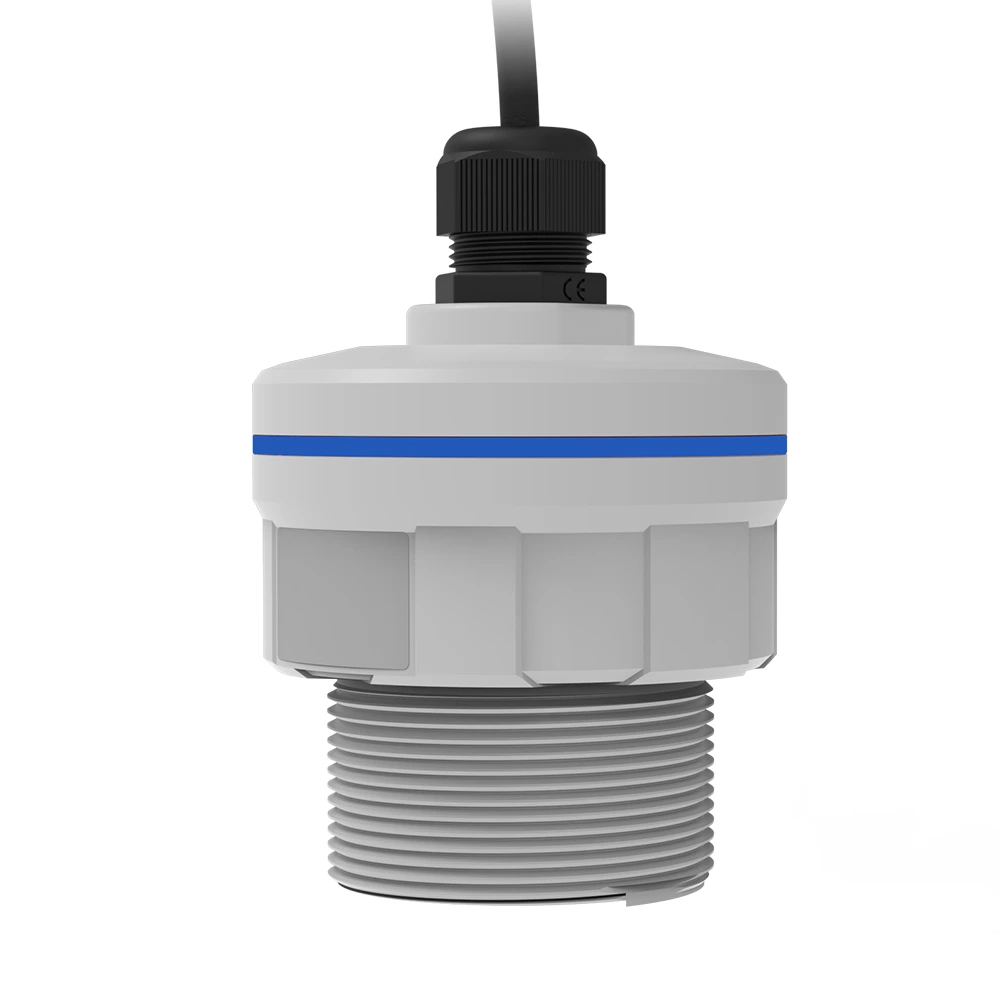
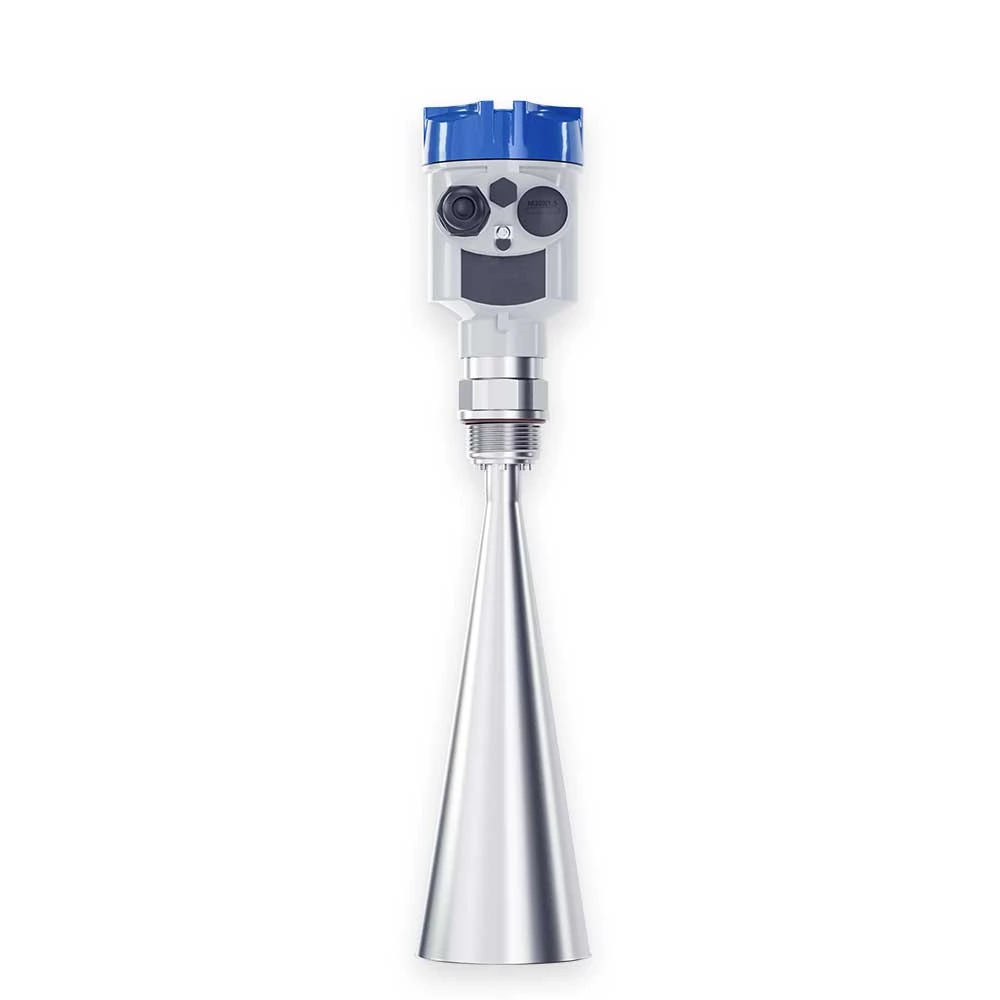
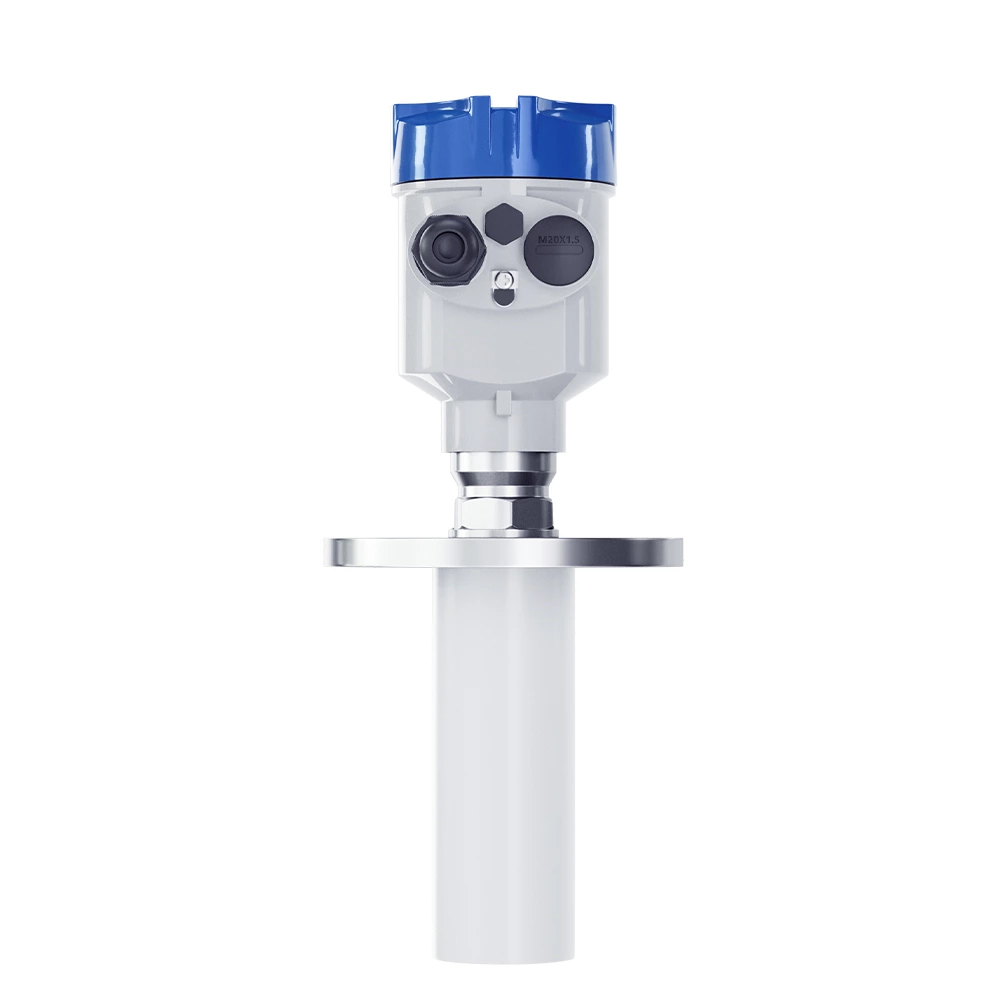
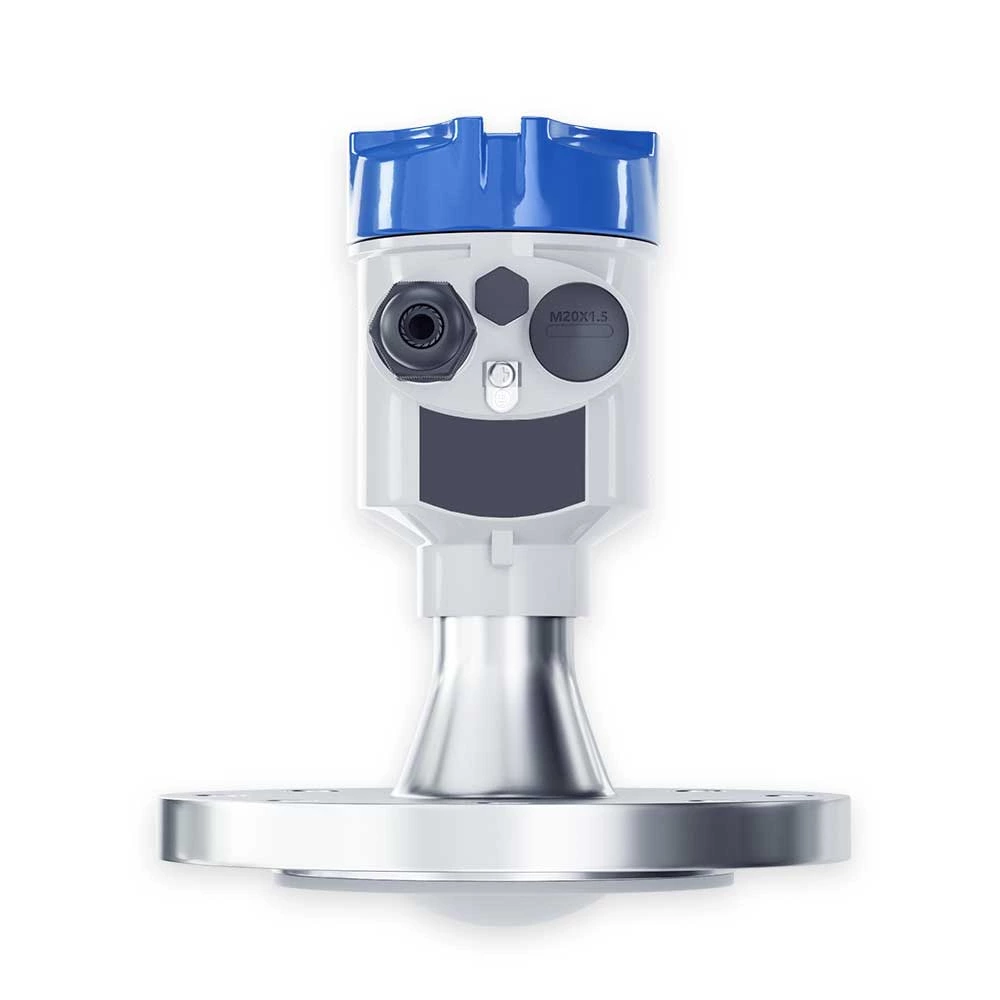
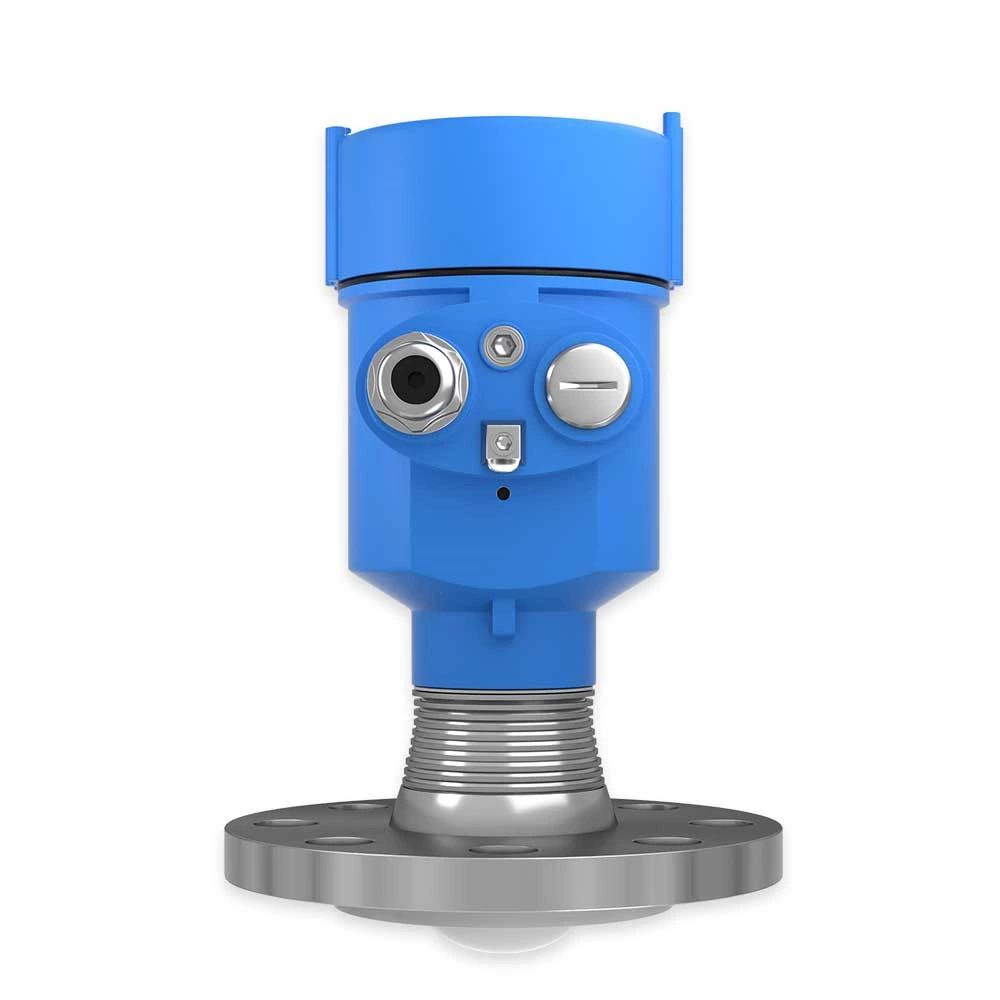
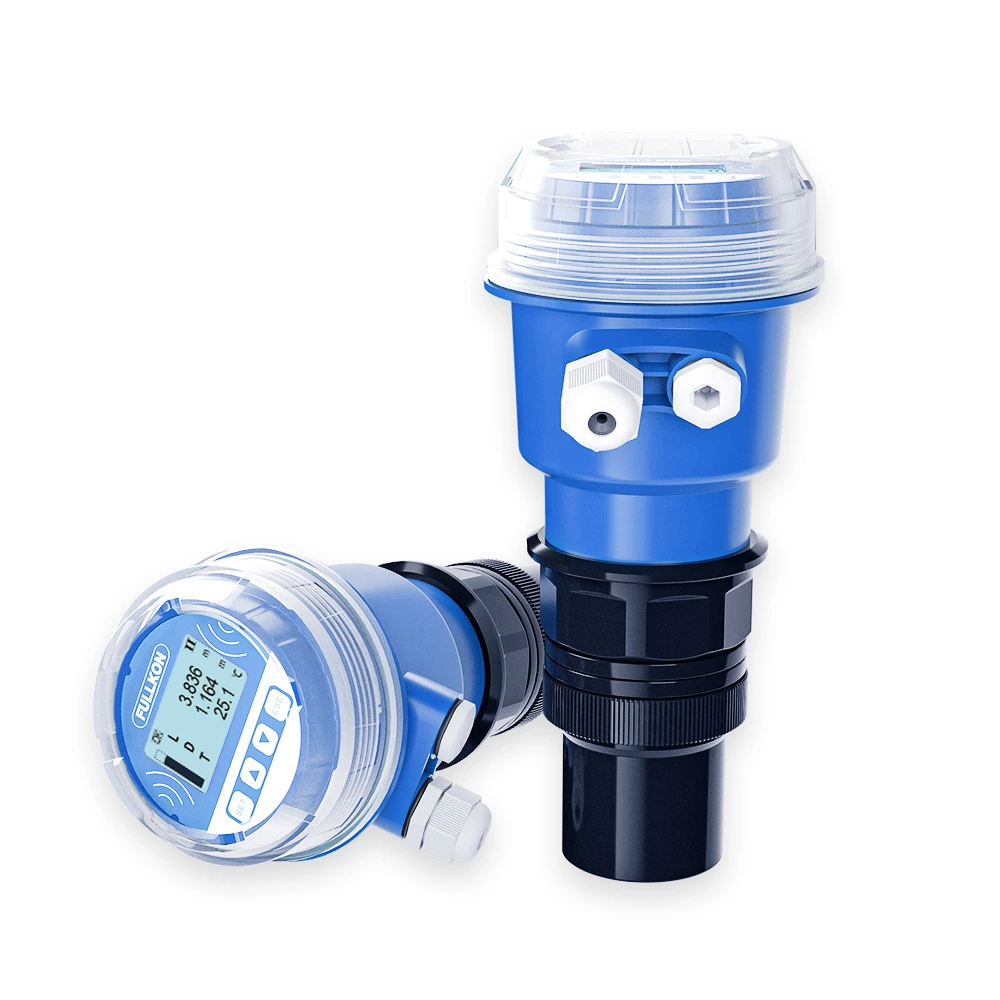
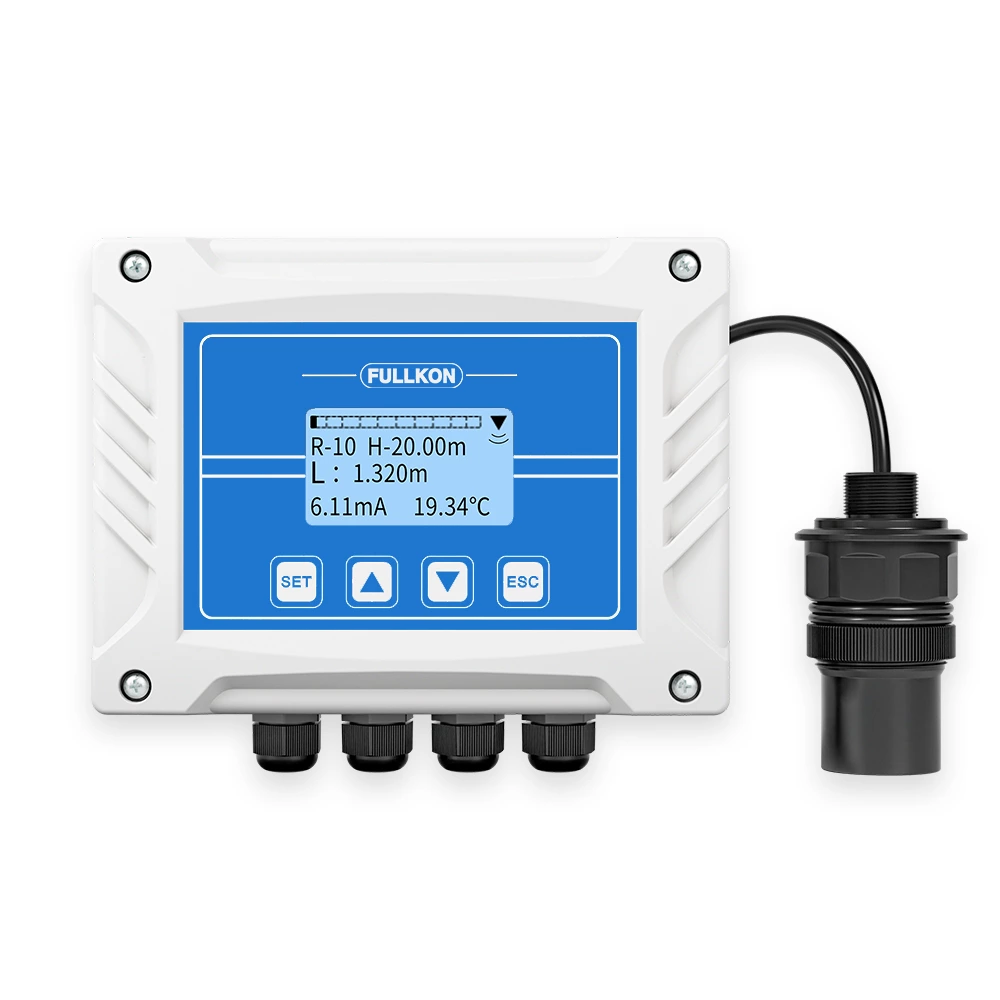
The 60G Radar Level Transmitter utilizes advanced 60 GHz Pulsed Coherent Radar (PCR) technology to provide reliable, non-contact level monitoring for natural hydrological environments. Compared to traditional methods (ultrasonic, pressure, float), it delivers superior accuracy, real-time response, and broad adaptability without being affected by environmental factors or medium properties. With very low beam energy, it ensures complete safety for people and ecosystems. No on-site calibration is required, making it an ideal choice for long-term, low-maintenance hydrological data collection in rivers, reservoirs, lakes, irrigation channels, and waterways.
60 GHz PCR radar – superior resolution, accuracy, and measurement stability
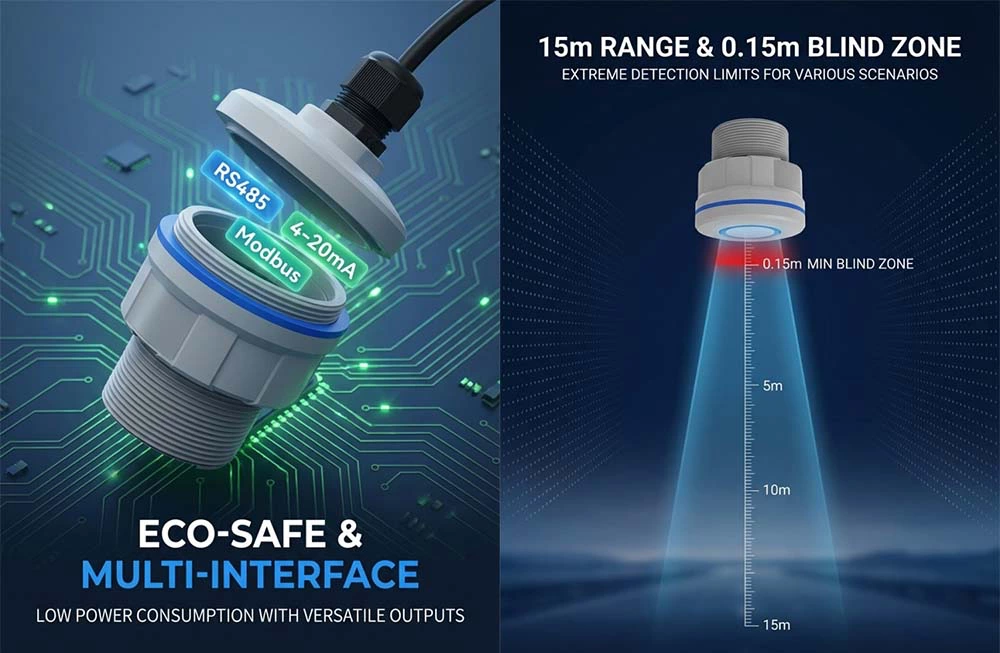
Maximum range 15 m, minimum blocking distance 0.15 m
Narrow beam angle with focused energy – strong anti-interference, high reliability
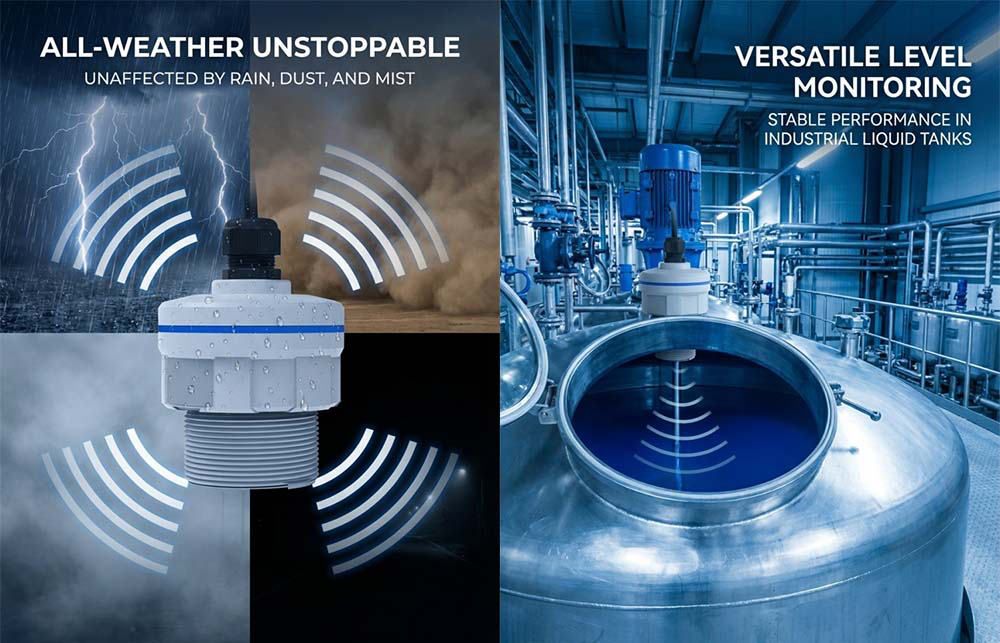
Robust performance in harsh outdoor conditions: rain, snow, fog, dust, water mist, varying light
Independent of medium density or dielectric constant – no recalibration required
Extremely low radar emission power – safe for humans, animals, and environment
Bluetooth commissioning via smartphone app – quick setup, configuration, and on-site diagnostics
Flexible output interfaces – supports multiple circuit options for SCADA, telemetry, or controllers
The transmitter operates on Pulsed Coherent Radar (PCR):
It emits short microwave pulses that propagate through air, reflect off the water surface, and return to the sensor. The distance is precisely calculated by measuring the time-of-flight (ToF) between transmission and reception of each pulse. Advanced signal processing ensures stable and accurate readings even under challenging surface conditions.
Specially engineered for open natural water bodies and hydrological monitoring:
- Rivers and flowing streams
- Reservoirs and dam water levels
- Lakes and ponds
- Irrigation canals and agricultural channels
- Waterways, flood-prone areas, and drainage systems
- Environmental monitoring stations and water resource management
Replaces traditional contact or lower-frequency sensors with contactless, weather-resilient radar that provides dependable real-time data for flood warning, irrigation control, drought monitoring, and ecological studies.
Why Choose This 60G Hydrological Radar?
In demanding outdoor hydrological scenarios, this transmitter combines high-frequency precision, environmental immunity, safety, and user-friendly wireless setup – delivering accurate, maintenance-free level data where reliability matters most.
 Model Selection