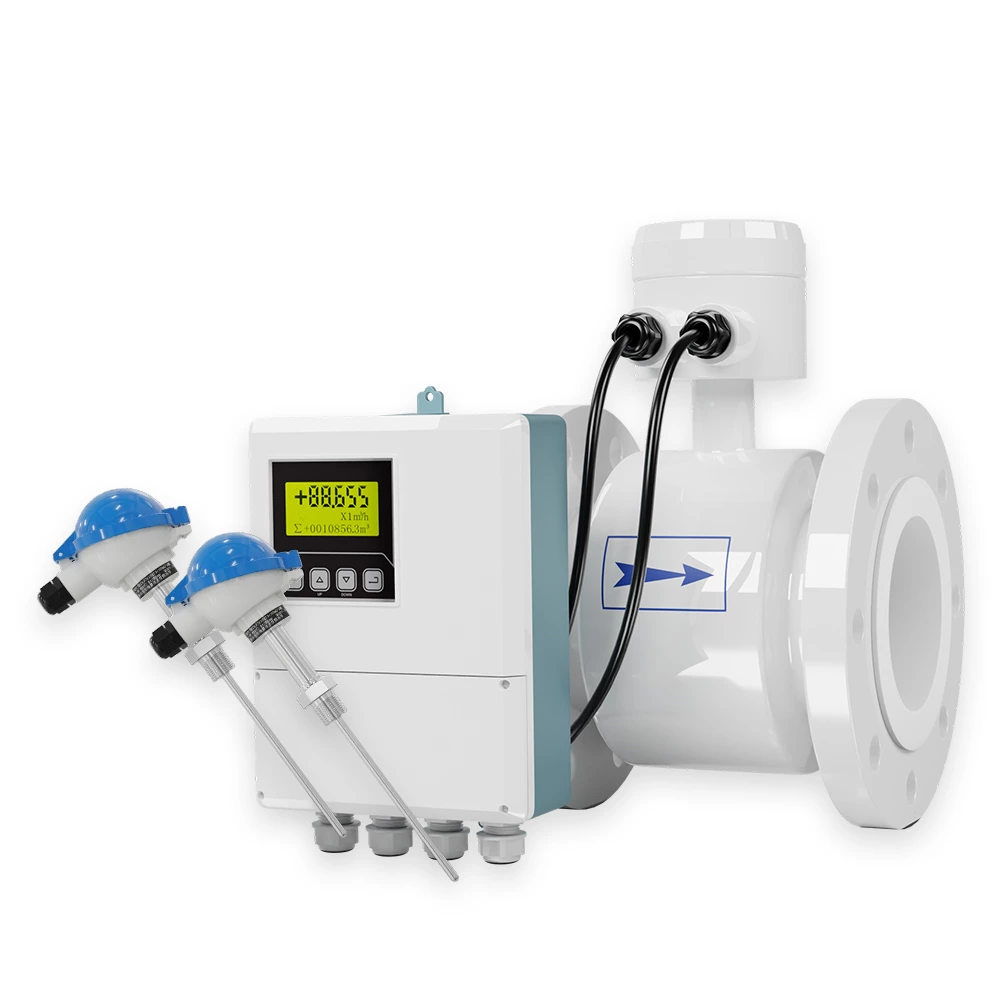
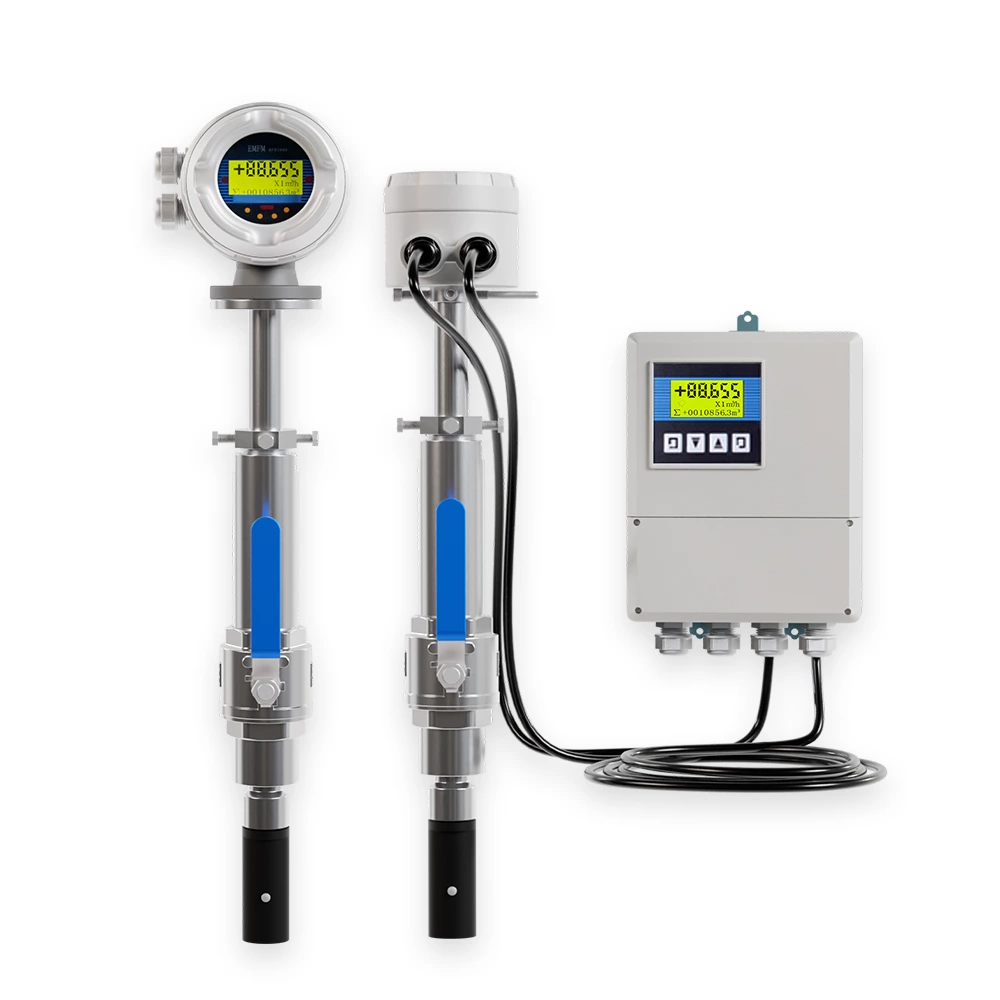
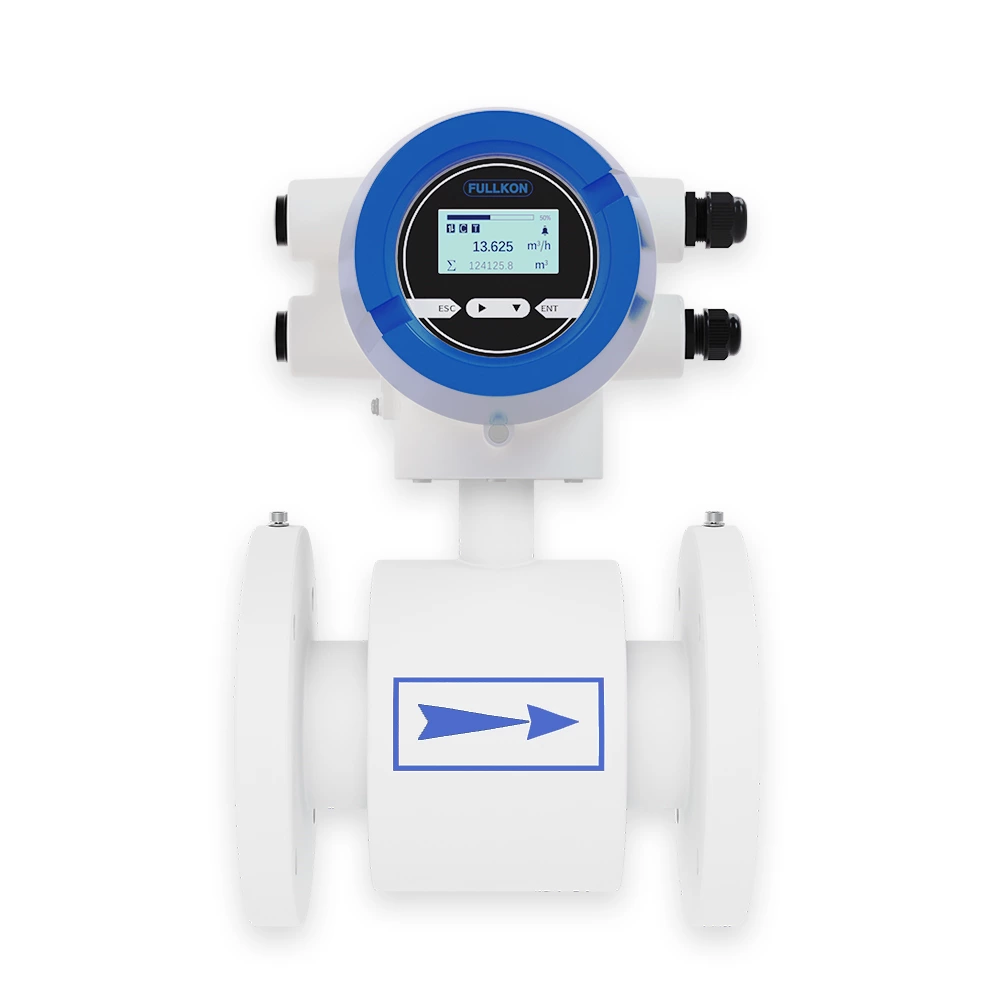
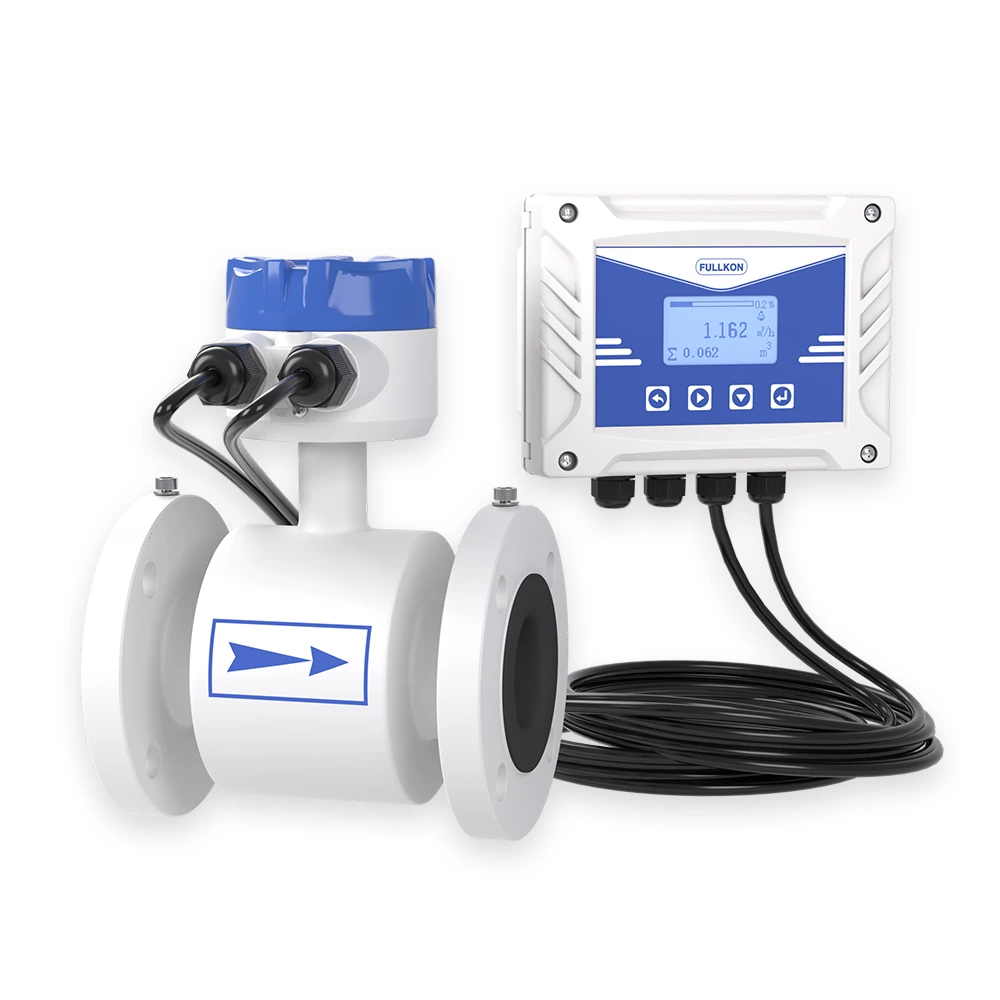
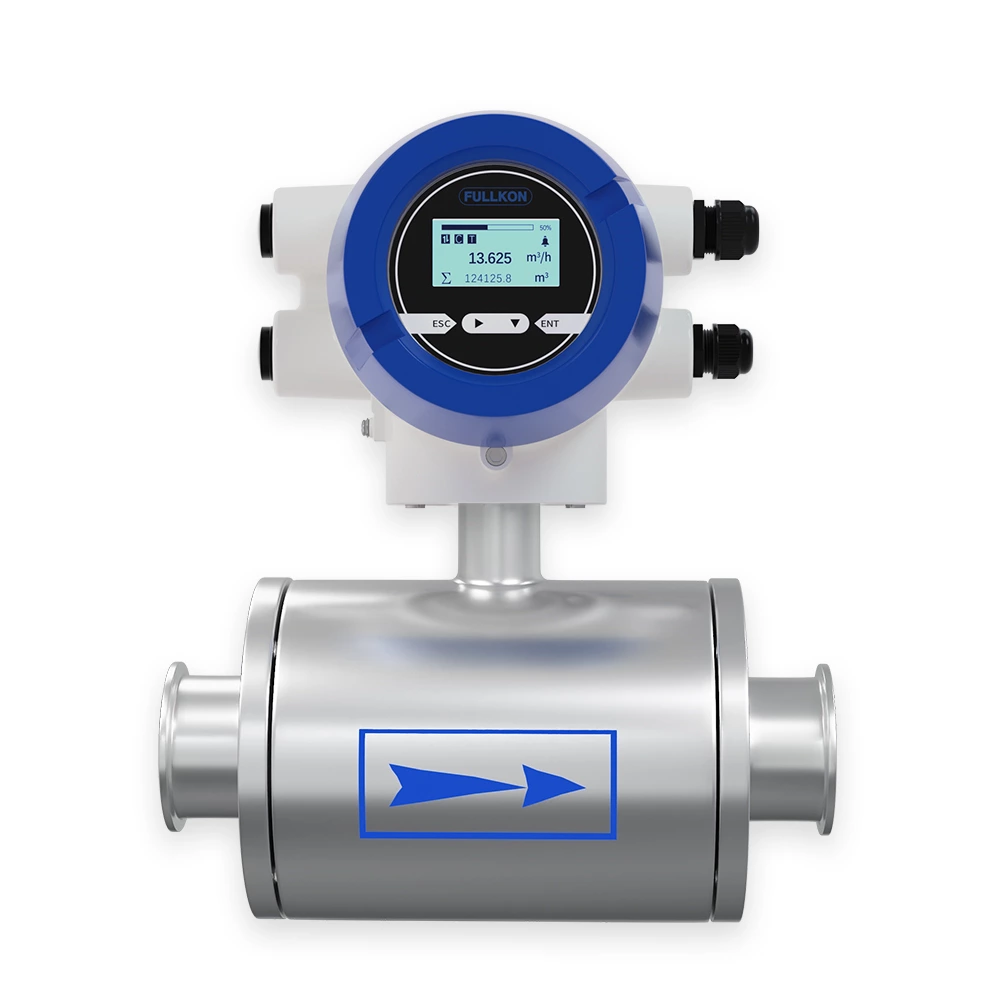
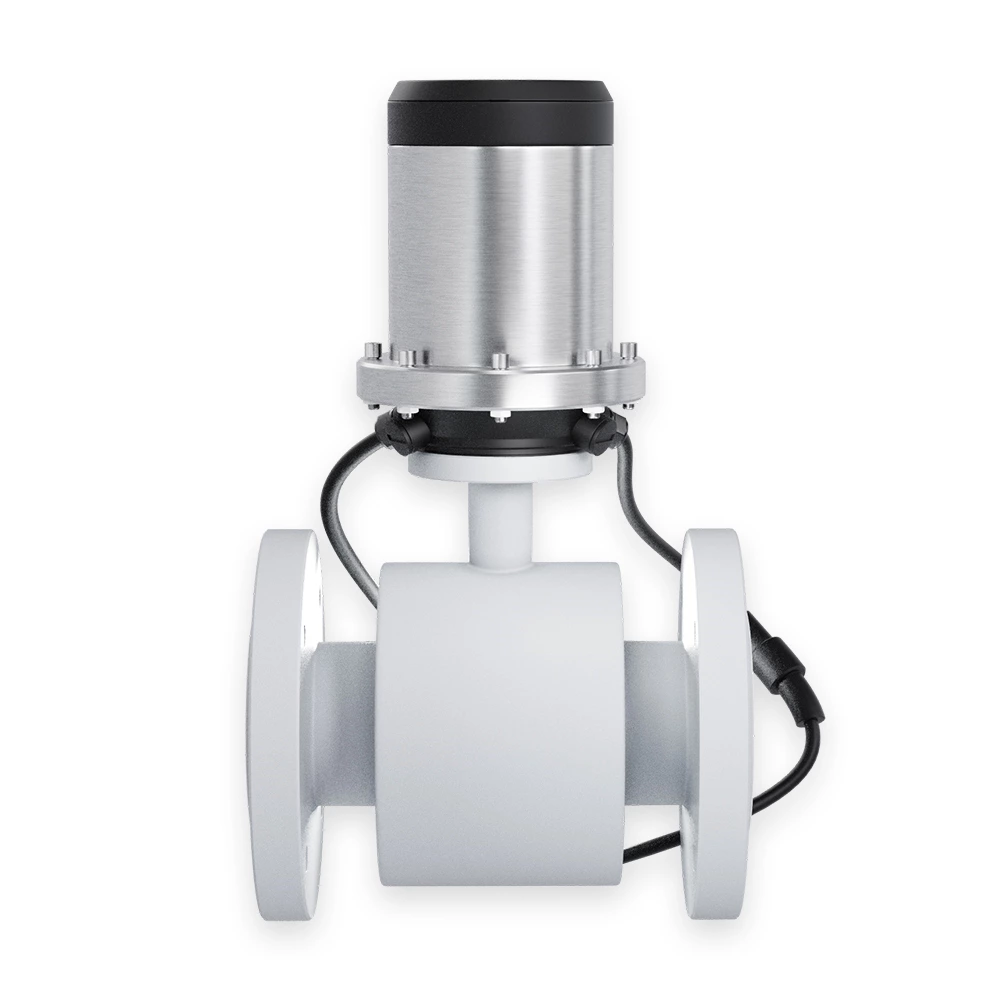
The Electromagnetic BTU Meter is a high-precision metering device designed for thermal energy measurement in heating and cooling systems. It integrates an electromagnetic flow sensor with temperature sensors and an energy calculation unit to accurately measure flow rate, supply and return temperature, and accumulated heat or cooling energy.
Based on Faraday’s electromagnetic induction principle, the meter ensures stable and reliable flow measurement with no mechanical wear. The energy meter automatically calculates thermal energy according to flow rate and temperature difference, making it ideal for energy monitoring, system optimization, and commercial billing.
With its robust design and advanced signal processing, the electromagnetic heat meter delivers high accuracy, strong anti-interference performance, and long-term stability in demanding HVAC and district energy environments.
Integrated measurement of flow, temperature, and thermal energy
Suitable for heating and cooling energy metering
Electromagnetic flow measurement with no moving parts
High measurement accuracy and excellent long-term stability
Performance unaffected by pressure, temperature, density, or viscosity
Low pressure loss and minimal maintenance requirements
Advanced digital processing for stable energy calculation
Supports remote reading and intelligent energy management systems
-
Why Choose an Electromagnetic BTU Meter
Compared with mechanical heat meters, electromagnetic BTU meters offer higher accuracy, longer lifespan, and lower maintenance costs, making them an ideal solution for modern intelligent energy measurement systems.
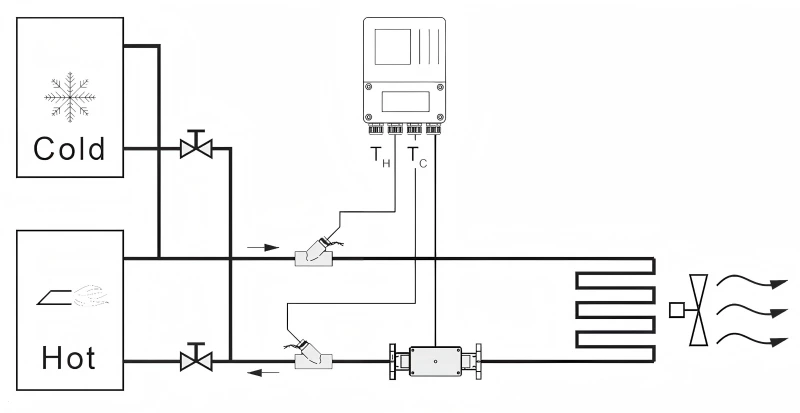
The working principle of the electromagnetic heat meter: the hot water (cold water) supplied by the heat source flows into the heat exchange system at a higher (low) temperature and flows out at a lower (higher) temperature. release or absorb heat. When the water flows through the heat exchange system, according to the flow rate given by the flow sensor and the temperature of the supply and return water given by the paired temperature sensor, as well as the elapsed time of the water flow, the calculator calculates and displays the heat released or absorbed by the system.

Q: Heat released or absorbed by the system, J or kWh;
 :Mass flow of water flowing through the BTU meter, kg/h;
 :Volume flow of water flowing through the BTU meter, m3/h;
 : Density of water flowing through the BTU meter, kg/m3;
 :The enthalpy difference of water at the inlet and outlet temperatures of the heat exchange system, J/kg;
 :Time,h。
| Measured Medium |
Conductive liquids (water, heating/cooling water) |
| Flow Measurement Principle |
Electromagnetic induction |
| Temperature Measurement |
Supply & return temperature sensors (PT100 / PT1000) |
| Energy Measurement |
Heat & cooling energy calculation |
| Measurement Accuracy |
Flow ±0.5% (typical) |
| Temperature Range |
0 ~ 150 °C (typical) |
| Temperature Difference Range |
3 ~ 120 K |
| Power Supply |
24 VDC / 220 VAC (optional) |
| Output Signals |
4–20 mA, Pulse, RS485 (Modbus) |
| Communication Interface |
RS485 / MODBUS (optional) |
| Protection Class |
IP65 / IP67 (optional) |
| Installation |
Horizontal or vertical pipeline |
| Display |
LCD display for flow, temperature, and energy |
Specifications can be customized according to project requirements.
The Electromagnetic Heat & Cooling Energy Meter is widely used in:
-
District heating and cooling systems
-
Central HVAC systems
-
Commercial and residential energy metering
-
Building energy management systems (BEMS)
-
Industrial process heating and cooling
-
Energy conservation and emission reduction projects
 Model Selection