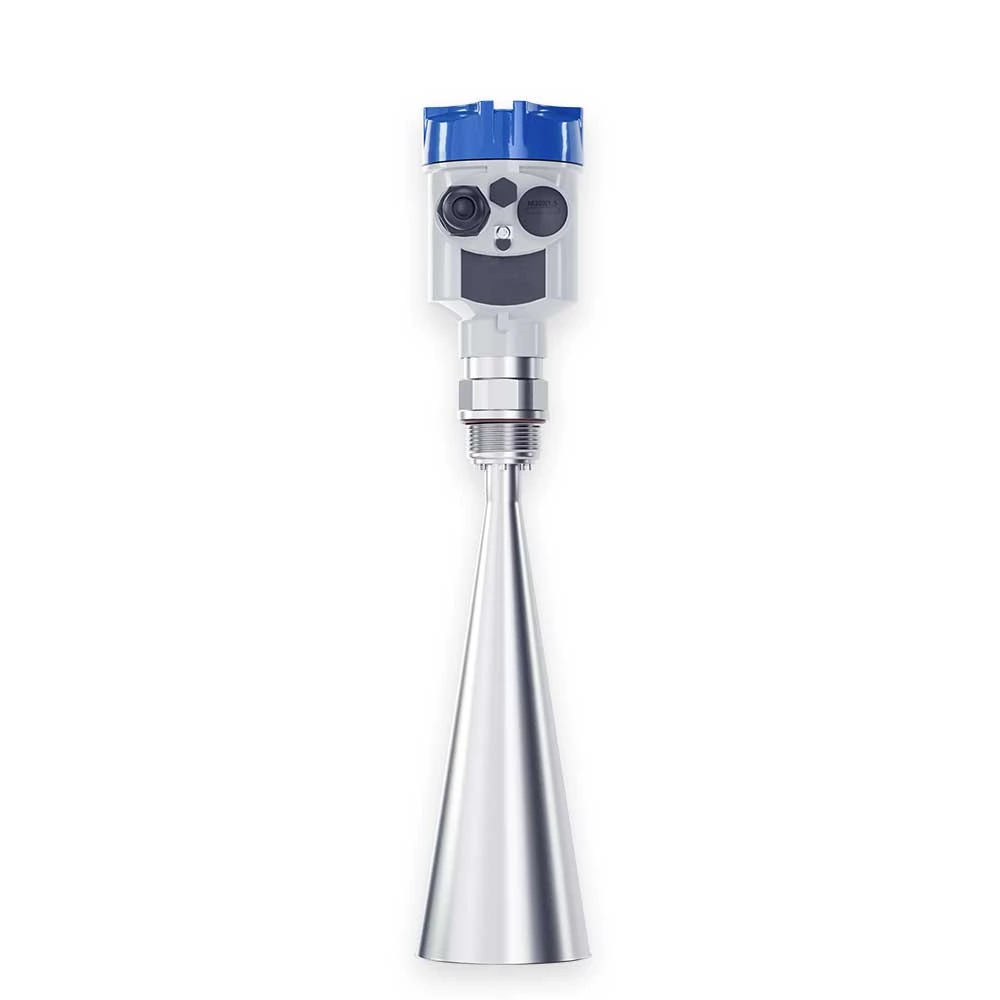
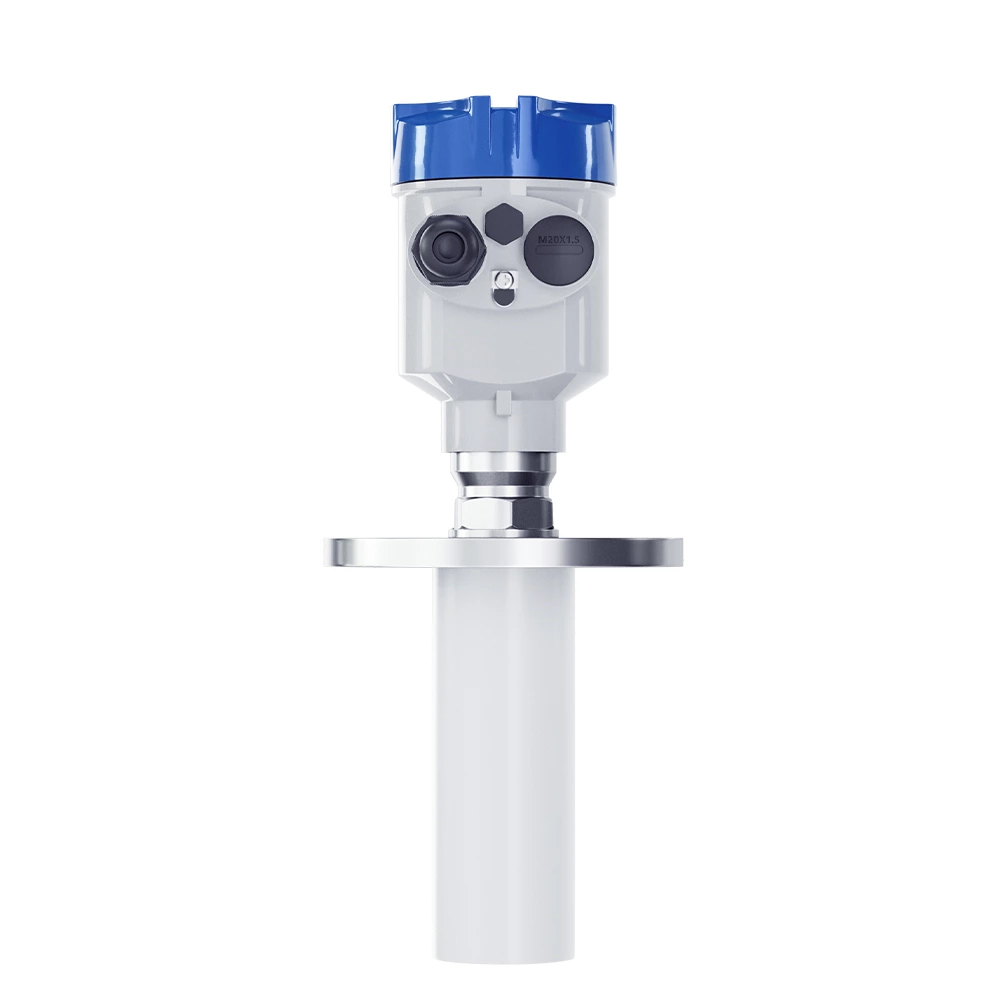
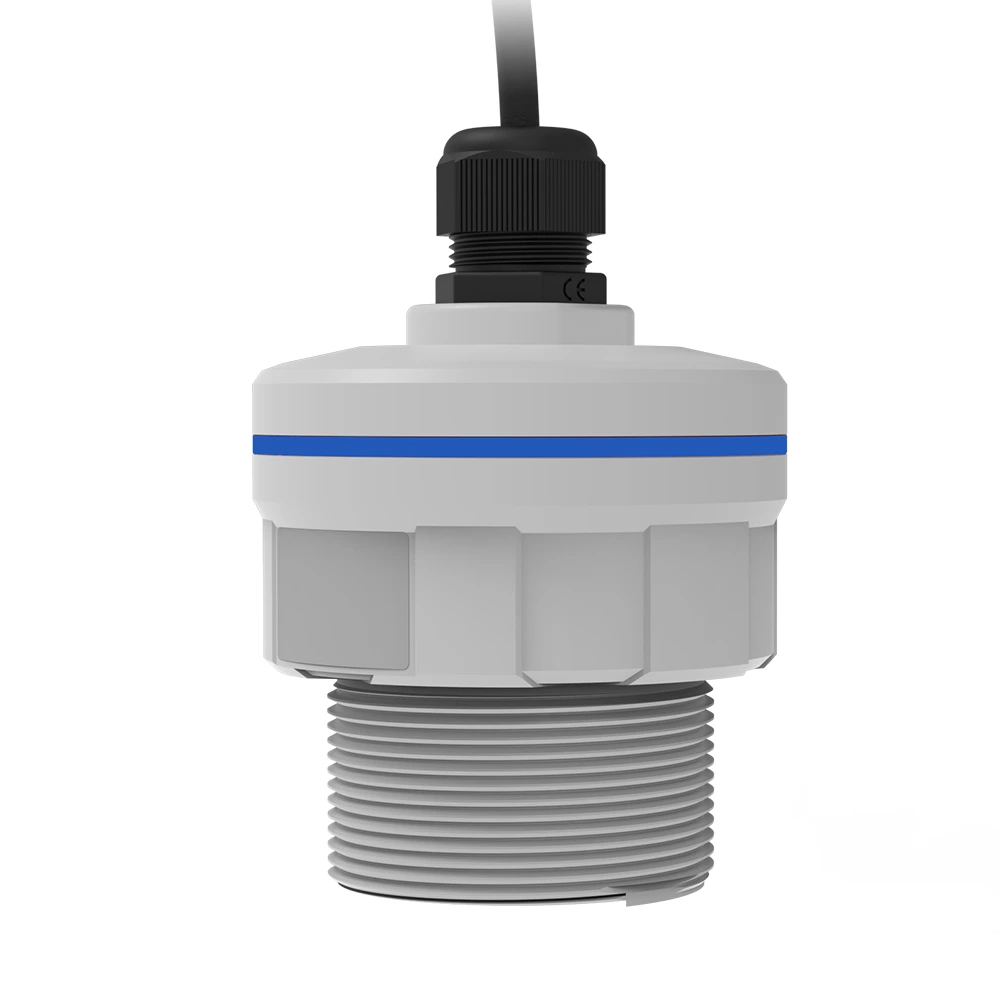
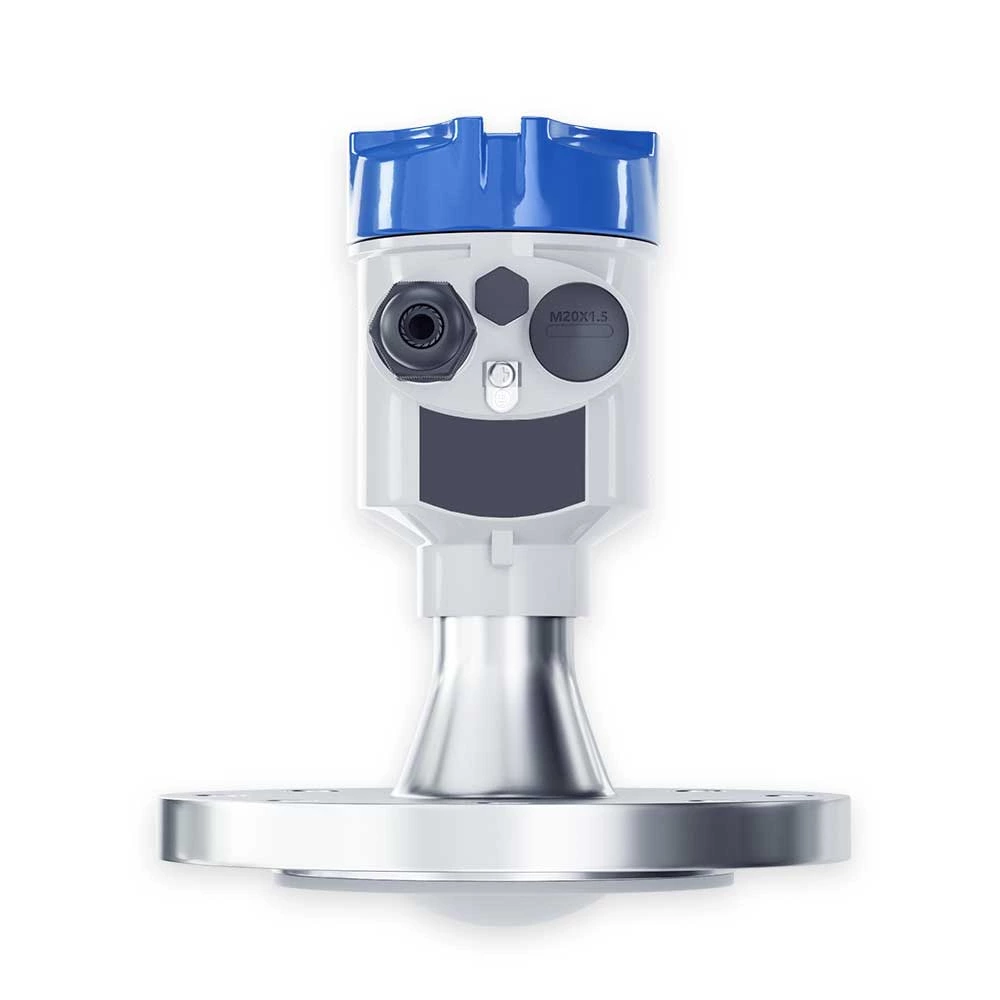
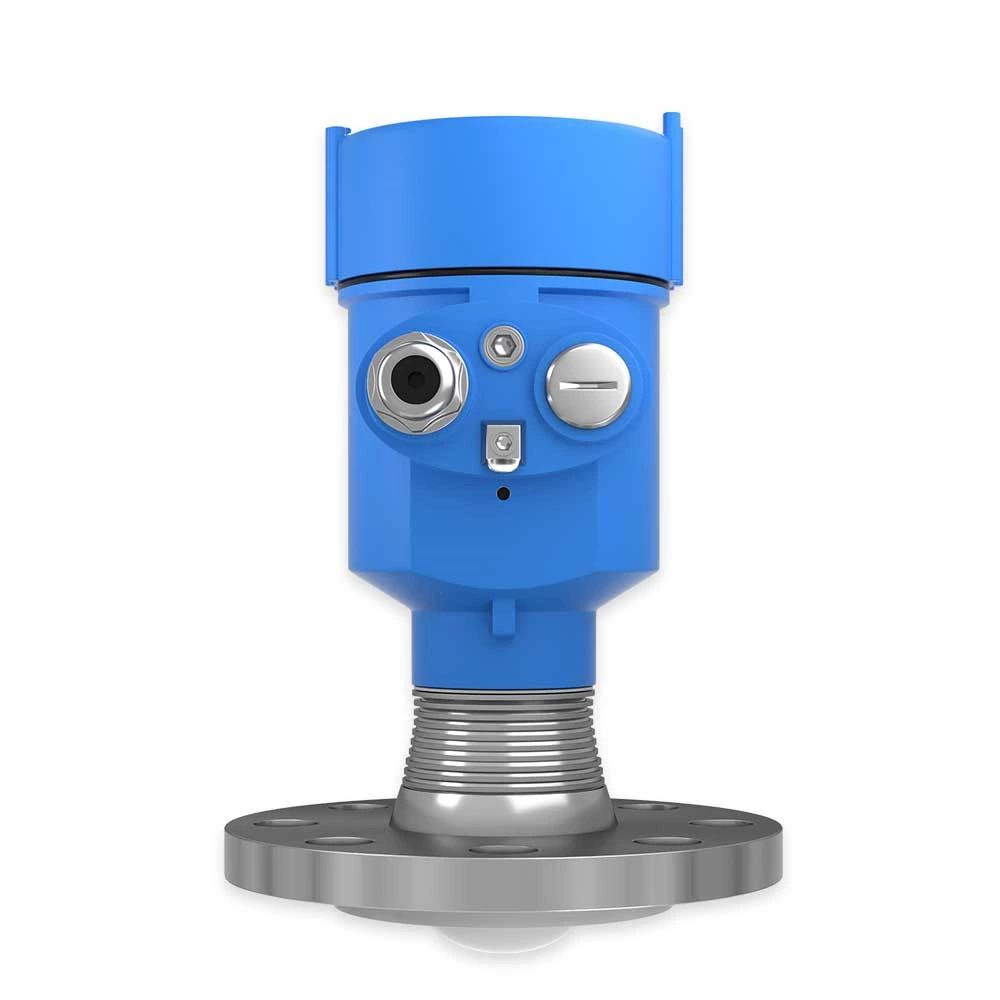
The RD908 radar level meter adopts a 26GHz high-frequency radar sensor for non-contact continuous level measurement. It is specifically designed for open water level monitoring such as rivers, lakes, and shoals.
By combining an optimized antenna structure with advanced signal processing technology, RD908 provides stable and reliable measurement performance even under changing environmental conditions. Its compact structure and flexible process connections make installation simple and maintenance-free.
26GHz radar frequency, suitable for open water level measurement
Non-contact measurement, no mechanical wear and no medium contamination
High measurement accuracy of ±3 mm
Stable operation under temperature variations from –40°C to 100°C
Designed for normal pressure applications
Flexible process connections: G1½" thread, bracket mounting, or flange
Multiple power supply options:
- 6–24 V DC (four-wire)
- 24 V DC (two-wire)
Multiple communication interfaces: 4–20 mA, RS485, Modbus
High ingress protection rating for outdoor use: IP67 / IP65
The radar level meter operates based on the transmission and reflection of microwave pulses.
The antenna emits a narrow microwave pulse downward toward the measured medium. When the microwave reaches the surface of the liquid or solid material, it is reflected back and received by the same antenna system. The received signal is then transmitted to the electronic circuit, where it is automatically converted into a level signal.
Because electromagnetic waves propagate at the speed of light, the time required for the signal to travel to the target surface and back to the receiver is extremely short. By precisely measuring this time difference, the distance to the medium surface is calculated, and the level is determined.
Measurement reference and parameters:
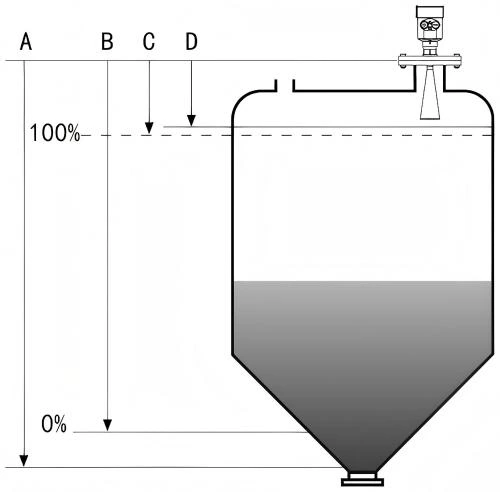
Datum (reference point):
Screw thread bottom or flange sealing surface.
Note:
Ensure that the maximum level does not enter the measuring blind area (Area D).
The RD908 radar level meter is suitable for continuous water level monitoring in the following applications:
Rivers and Channels
Water level monitoring for flood control and water management
Lakes and Reservoirs
Continuous level measurement for hydrological observation
Shoals and Open Water Areas
Stable measurement under changing water surface conditions
Municipal Water Projects
Water level monitoring in urban water management systems
Environmental Monitoring
Long-term outdoor water level measurement applications
 Model Selection